


Material TPU vs. caucho: ¿Cuál es la diferencia?
From phone cases to pneumatic hoses, thermoplastic polyurethane is quietly replacing traditional rubber, PVC and silicone across the plastics industry. Here is why.
Why Manufacturers Are Switching to TPU
If you have ever picked up a clear, flexible phone case, stretched an inflatable product, or coiled a pneumatic air hose back onto its reel, there is a good chance you were holding TPU — thermoplastic polyurethane. Yet when sourcing materials, many buyers still ask the same question: what exactly is the difference between TPU and rubber, and which one should my product use?
TPU sits in a unique position between rubber and plastic. It delivers the high elasticity of rubber together with the melt-processability of plastic — a combination that is reshaping product design in consumer electronics, footwear, automotive, medical and industrial applications. In this article, we break down the real differences, so you can specify with confidence.
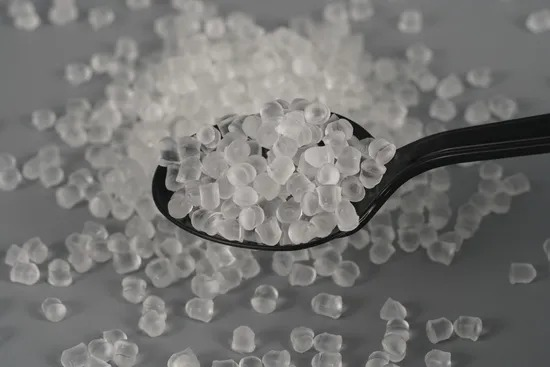
Virgin transparent TPU pellets — the starting point for injection molding, extrusion, film, tube and coating applications.
First, What Is Conventional Rubber?
Conventional rubber is an organic high-polymer elastomer. To become useful, raw rubber must go through vulcanization — an irreversible chemical cross-linking process. Once vulcanized, it shows excellent high elasticity over a wide temperature range (roughly −50 °C to +150 °C), a low elastic modulus, and an elongation at break that can reach up to 1,000%. The trade-off: vulcanization takes time, consumes additives, and the cured rubber can never be melted down and reshaped again.
What Is TPU?
TPU — short for thermoplastic polyurethane elastomer — is a linear, segmented high-polymer material. Instead of chemical vulcanization, its soft and hard molecular segments form physical cross-links (hydrogen bonds) that melt away when heated and re-form when cooled. That single difference changes everything on the factory floor:
- No vulcanization needed — TPU is processed exactly like a thermoplastic: injection molding, extrusion, blow molding, calendering and coating.
- 100% recyclable — runners, sprues and edge trim can be reground and reused, cutting both waste and material cost.
- Rubber-like performance, plastic-like efficiency — cycle times drop, automation is easy, and quality is repeatable.
It is no surprise that TPU has become the material of choice for replacing PVC, conventional rubber and silicone — and it is steadily taking share across the entire rubber & plastics industry.
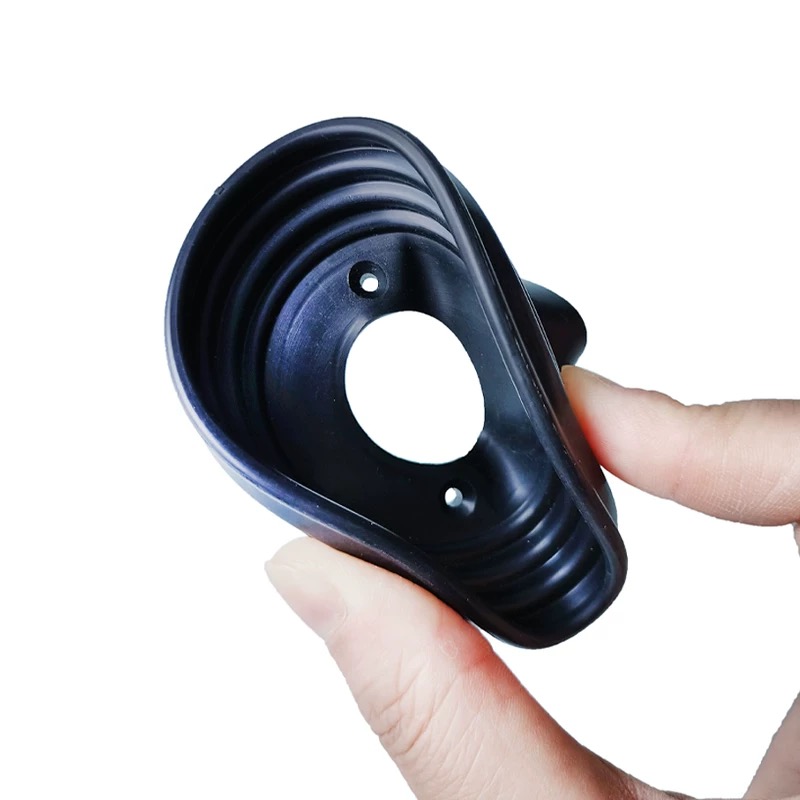
The 5 Key Differences Between TPU and Rubber
1. Hardness range. TPU covers an exceptionally wide hardness window — from a gel-like Shore 0A up to Shore 100A (and into Shore D) — bridging the entire gap between soft rubber and rigid plastic. One material family can therefore serve grips, seals, wheels and structural parts alike.
2. Terminology. Because of this rubber-like elasticity, TPU is often called TPR (thermoplastic rubber). When people say “rubber” without qualification, they usually mean thermoset (vulcanized) rubber — a fundamentally different material class.
3. Processing method. Rubber parts must be compounded and vulcanized in a mold, a slow, energy-hungry step. TPU goes straight through standard injection molding or extrusion equipment — faster cycles, tighter tolerances, lower scrap.
4. Compound vs. ready-to-use. Rubber rarely works alone: it needs fillers, curatives, accelerators and other additives, plus vulcanization, to reach usable strength. TPU arrives as a ready-to-process compound with excellent mechanical performance built in.
5. Molecular structure. Vulcanized rubber is a covalently (chemically) cross-linked network — permanent and non-meltable. TPU is a linear structure with physical (hydrogen-bond) cross-links, which is why it can be melted, reshaped and recycled again and again.
Wear Resistance: Where TPU Really Shines
Among all elastomers, TPU is famous for abrasion resistance. In standardized wear testing, quality TPU compounds routinely show more than five times the wear resistance of natural rubber — which is why TPU is the first-choice material for wear-critical parts: caster wheels, conveyor rollers, seals, shoe soles, and protective coatings.
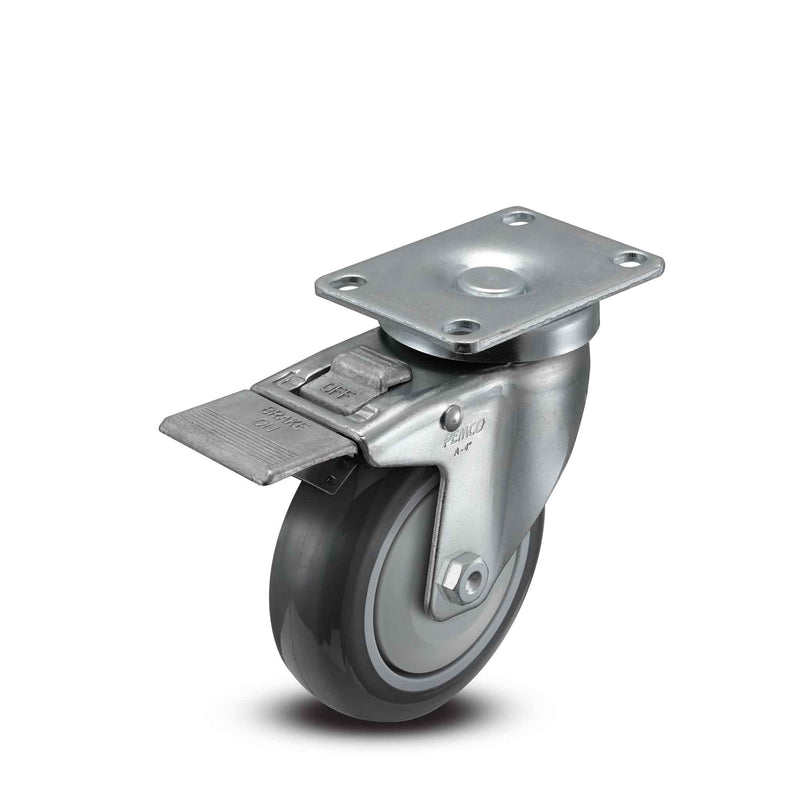
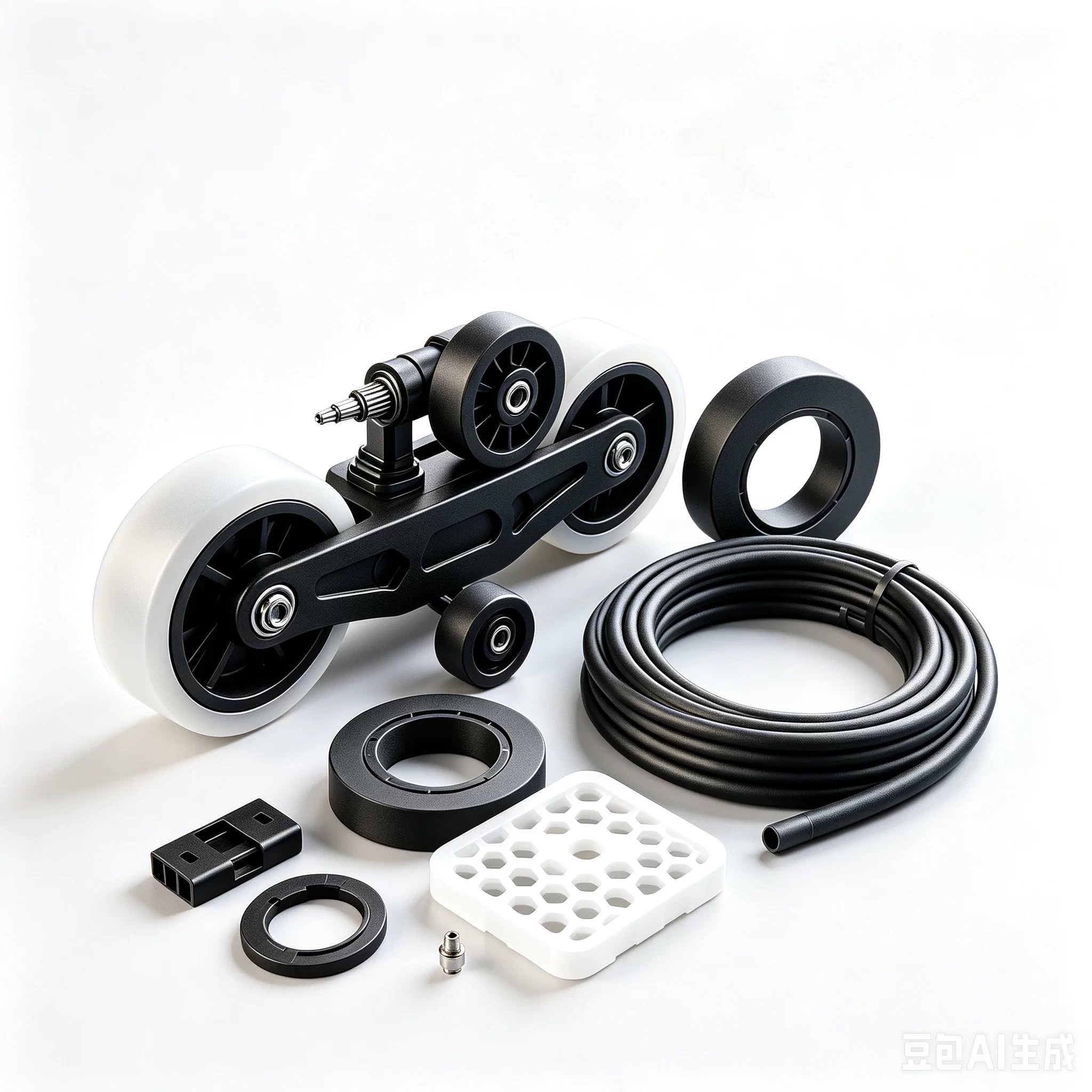
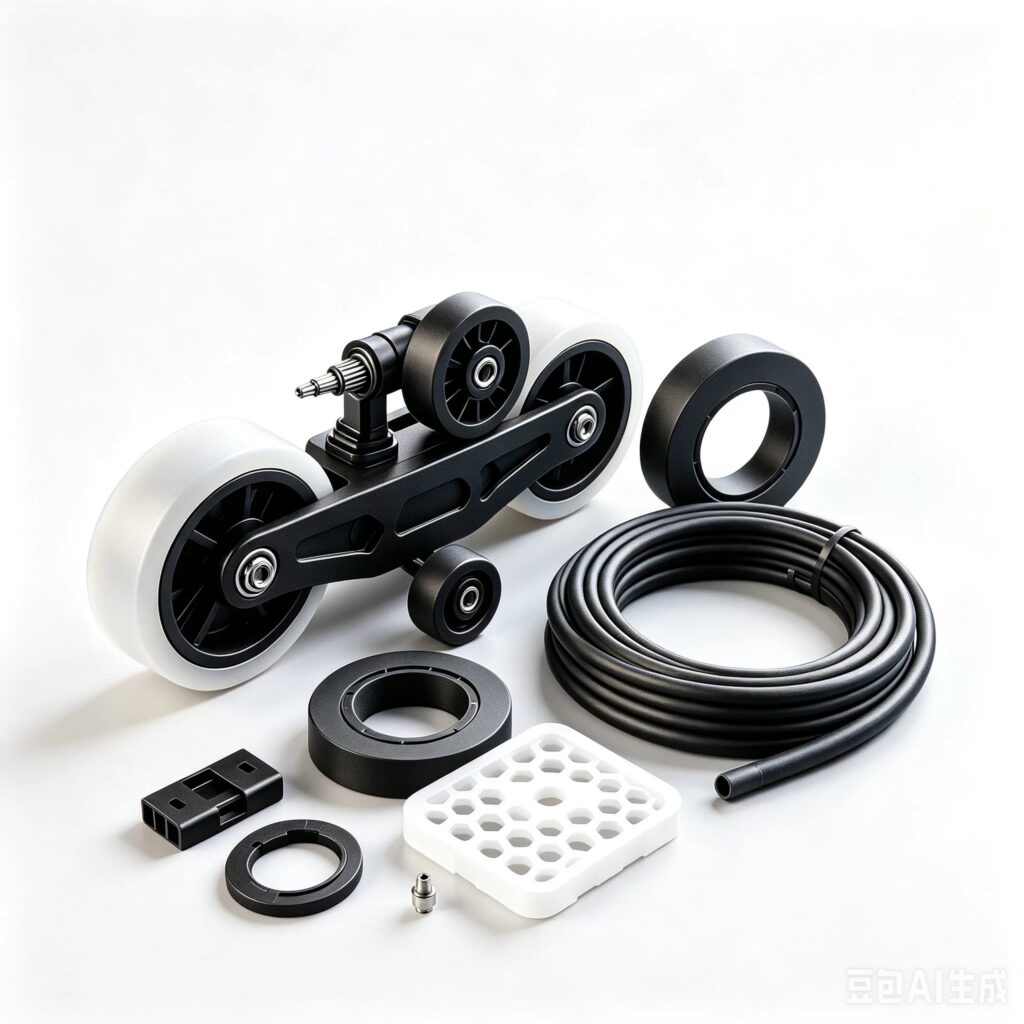
TPU-tread caster wheels: non-marking, quiet-rolling and highly resistant to abrasion, oils and chemicals.
Where Is TPU Used Today?
Consumer electronics. The clear phone case is the classic TPU product: flexible enough to snap on easily, tough enough to absorb drop shock, and resistant to oils and daily wear. Anti-yellowing formulations keep cases crystal-clear for longer.
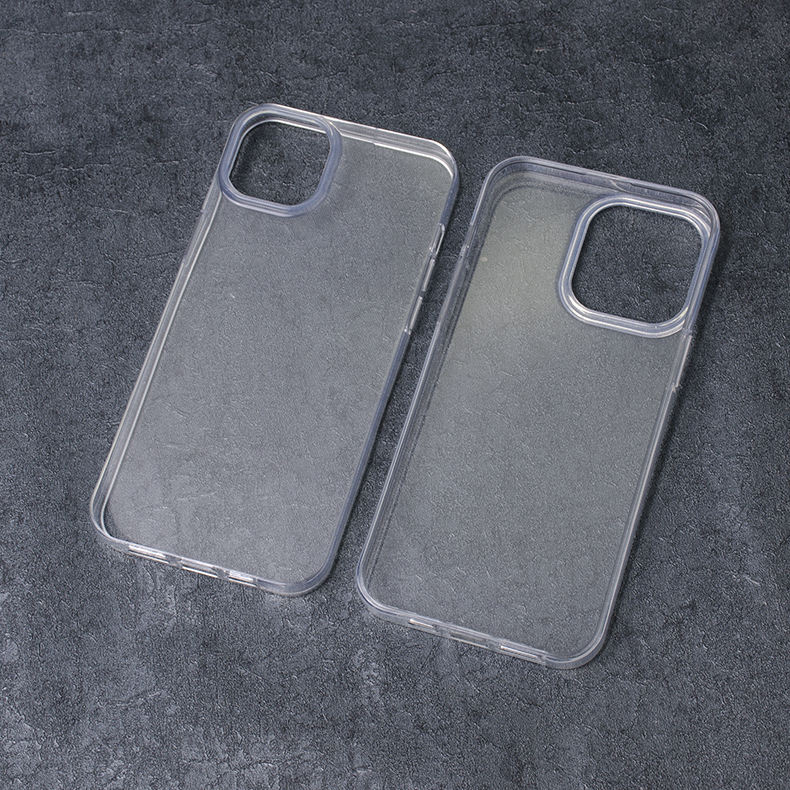
High-transparency TPU phone cases — flexible, shock-absorbing and scratch-resistant.
Pneumatic & fluid transfer. Extruded TPU tubing combines a small bend radius with high pressure resistance, kink recovery and oil resistance — ideal for pneumatic lines on robots, assembly tools and compressors, in a rainbow of identification colors.
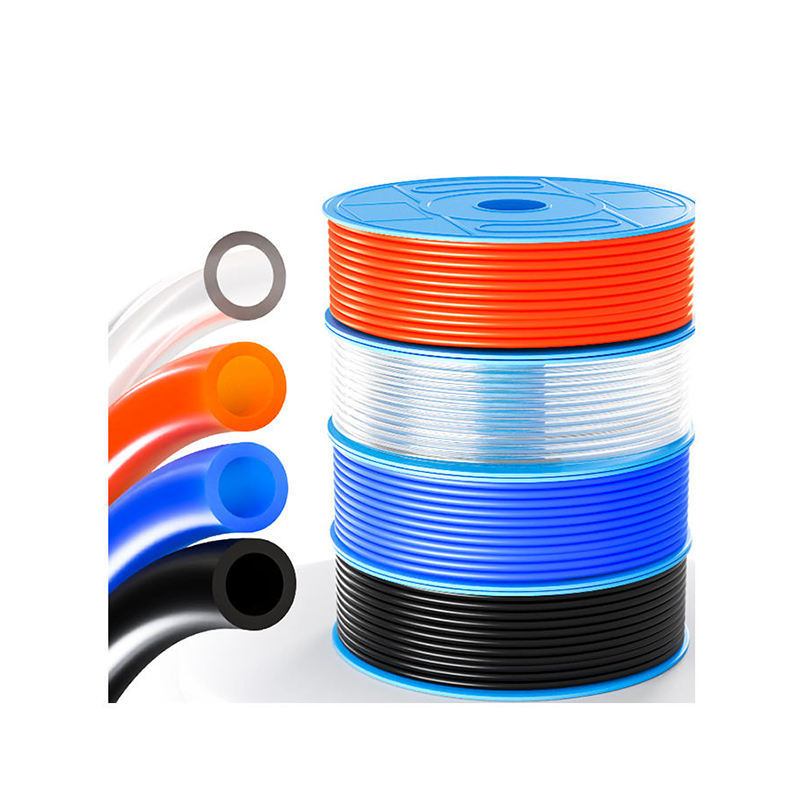
Colored TPU pneumatic tubing: flexible, kink-resistant and available in custom sizes and colors.
And far beyond. Footwear soles and heels, sports equipment, cable jackets, films and waterproof textiles, medical tubing, conveyor and timing belts, inflatable products — anywhere rubber, PVC or silicone is used today, a TPU grade likely exists that does the job cleaner, faster and more sustainably.
En conclusión
Rubber still has its place — but when a project calls for elasticity plus efficient processing, recyclability and outstanding wear life, TPU is hard to beat. Designers get one material that spans from soft-touch grips to load-bearing wheels; production teams get shorter cycles and regrind-friendly waste streams; and procurement gets a drop-in replacement for PVC and rubber that runs on standard thermoplastic equipment.
Ready to Specify TPU for Your Next Project?
From 60A soft-touch grades to 75D engineering grades — transparent, colored, reinforced or flame-retardant — our team can match a TPU compound to your exact application and send samples for evaluation. Contact us to request free samples and TDS.