


What Does Silicone Molding Process DO?
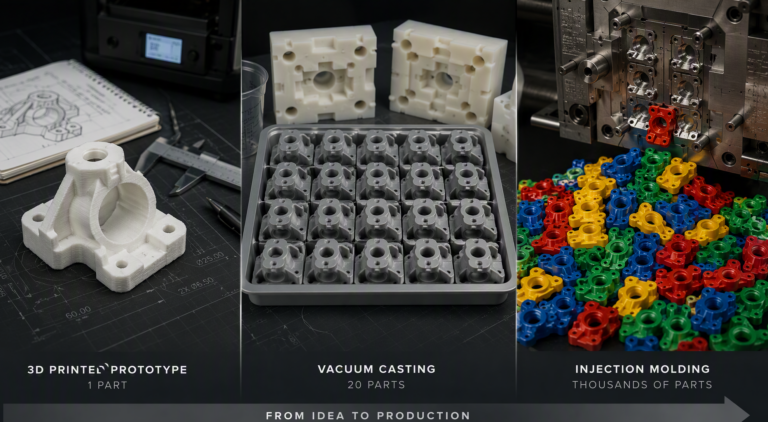
Silicone casting, also known as vacuum casting, is a fast and economical alternative for producing small batches of injection molded parts. It typically uses a 3D-printed SLA part as a prototype, while the mold is made of silicone. Polyurethane (PU) material is then poured into the mold through a vacuum casting process to create the cast part.
Silicone Molding Process
Silicone molding, also known as vacuum molding, is a fast and economical alternative for producing small batches of injection molded parts. It typically uses 3D-printed SLA parts as prototypes, while the mold is made of silicone material. Polyurethane is then poured into the mold through a vacuum injection process.
1.High fidelity and high product precision
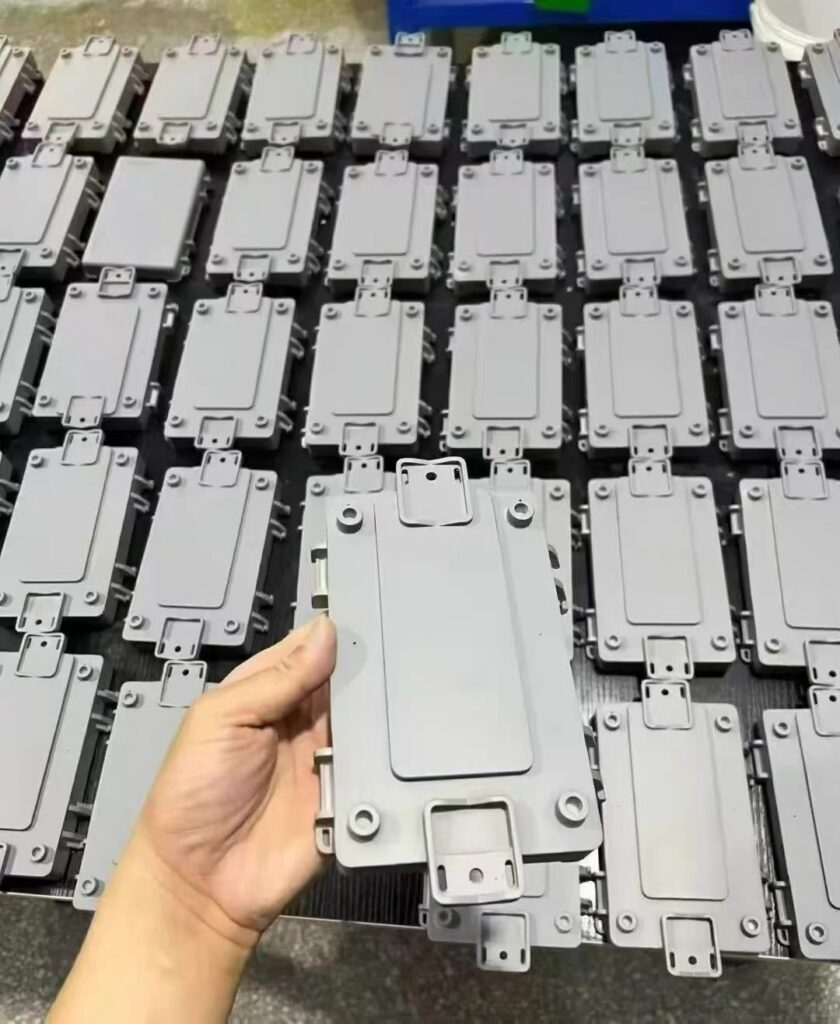
Molded parts accurately replicate the structure, details, and texture of the original part, providing automotive-grade high-quality and high-precision injection molded parts.
2.Eliminating the need for expensive steel molds
Small-batch customization of injection molded parts can be completed without investing in costly and time-consuming steel molds.
3.Rapid product delivery
Taking Chongqing Utely as an example, 200 molded parts can typically be completed from design to delivery in about 7 days.
What is the steps for manufacturing?
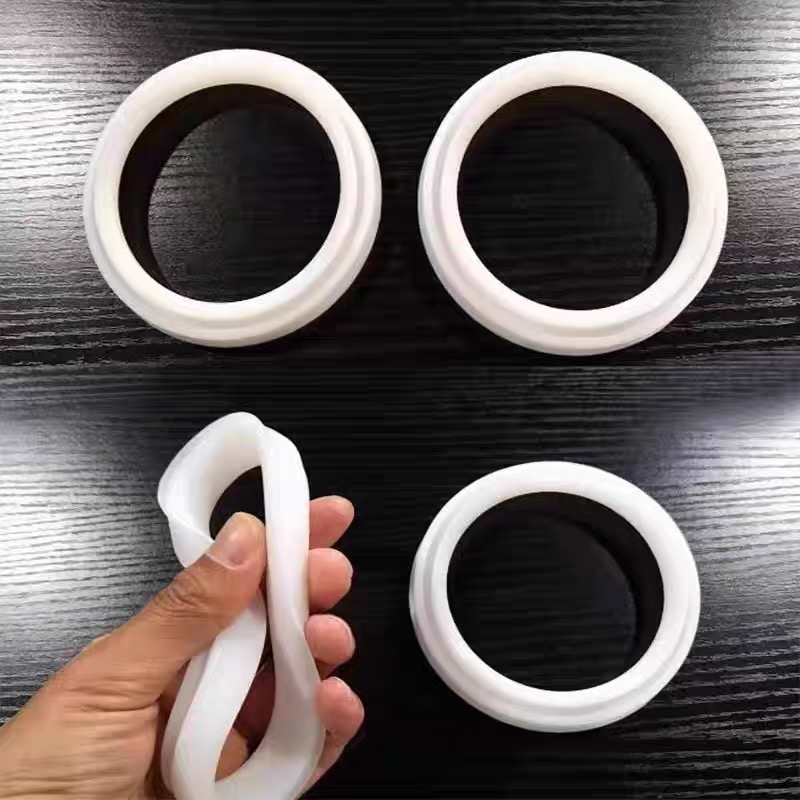
Furthermore, due to the excellent flexibility and elasticity of silicone molds, parts with complex structures, intricate patterns, no release sills, inverted release sills, or deep grooves can be directly removed after casting—a unique advantage compared to other molds.
Below is a brief description of the silicone replica molding process.
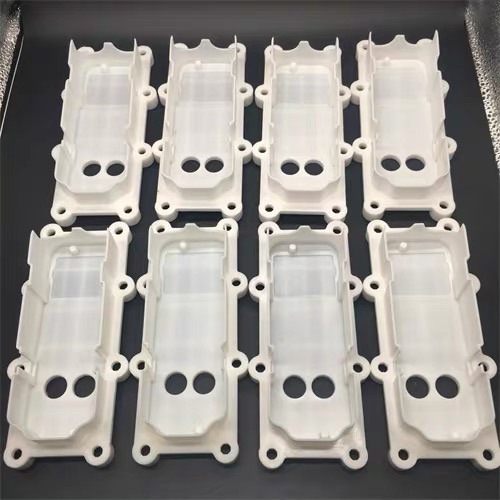
Step 1: Creating the Prototype
The quality of the replica part depends on the quality of the prototype. We can spray textures or apply other treatments to the surface of the SLA prototype to simulate the final details of the product.
The silicone mold accurately replicates the details and textures of the prototype, ensuring a high degree of consistency between the surface of the replica part and the prototype.
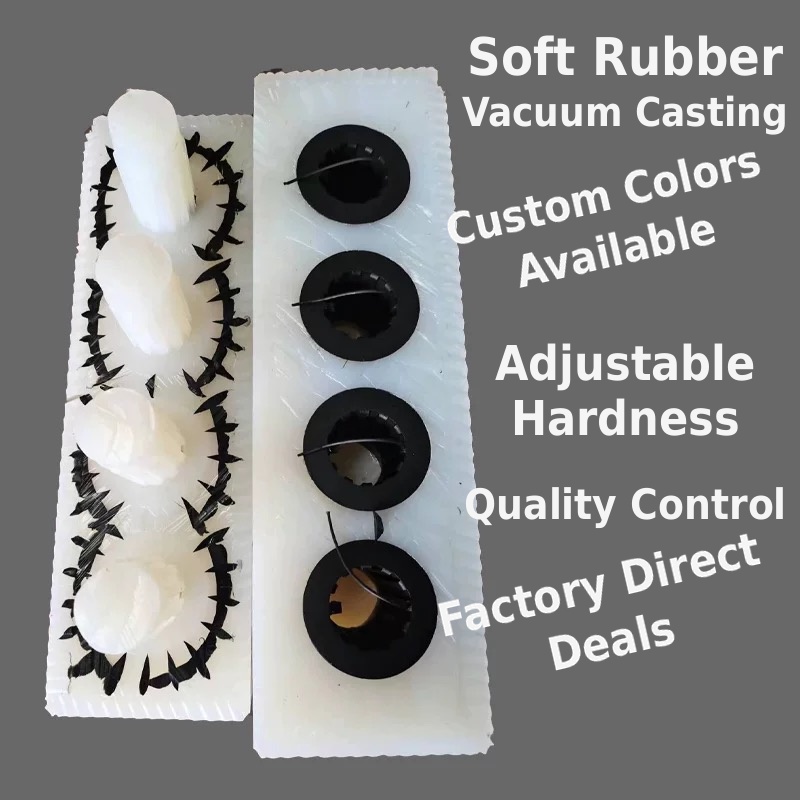
Step 2: Making the Silicone Mold
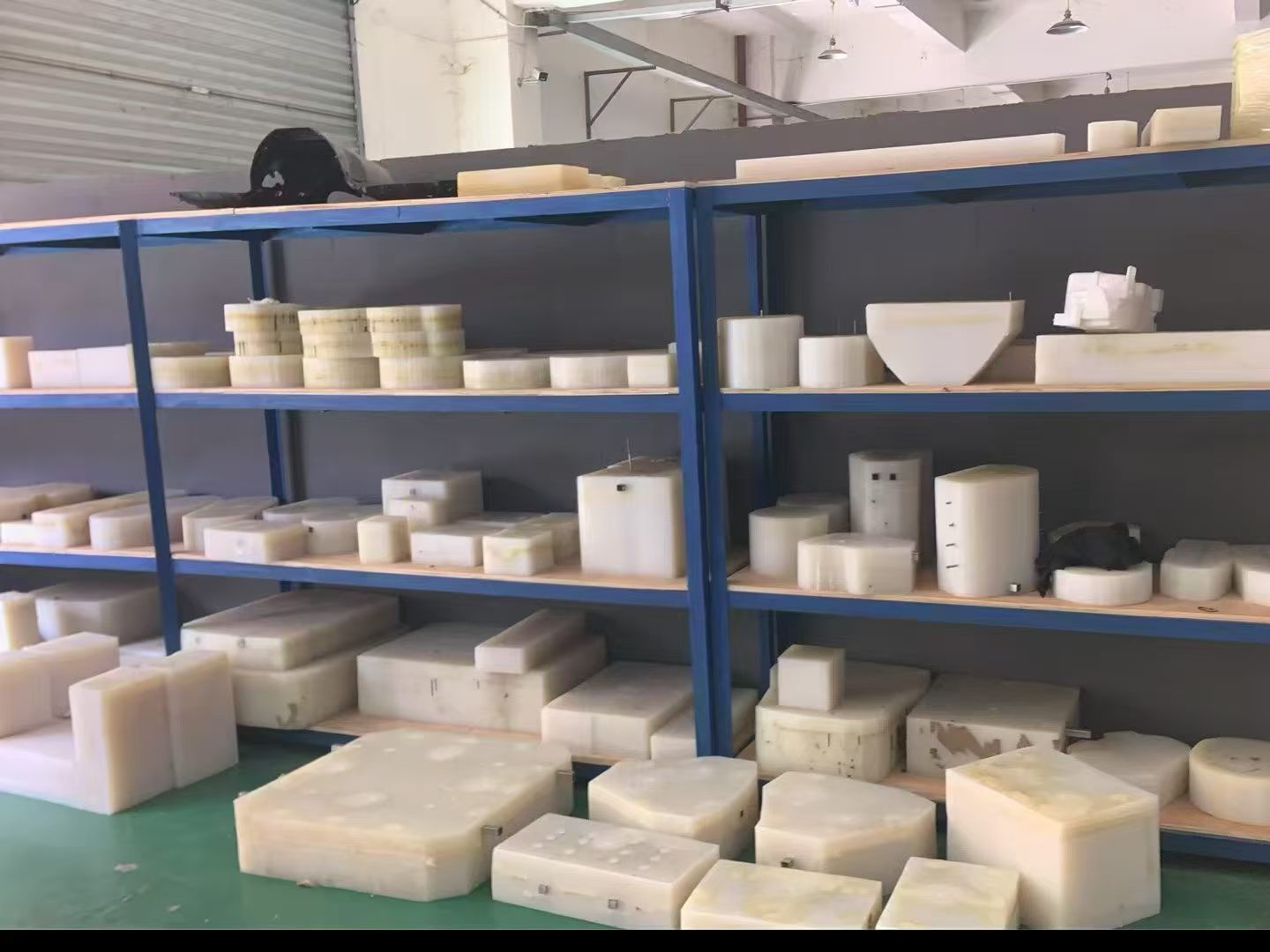
The casting mold is made of liquid silicone, also known as an RTV mold. Silicone rubber has excellent chemical stability, self-release properties, and flexibility, minimizing shrinkage and effectively replicating part details from the prototype to the mold.
The steps for making the silicone mold are as follows:
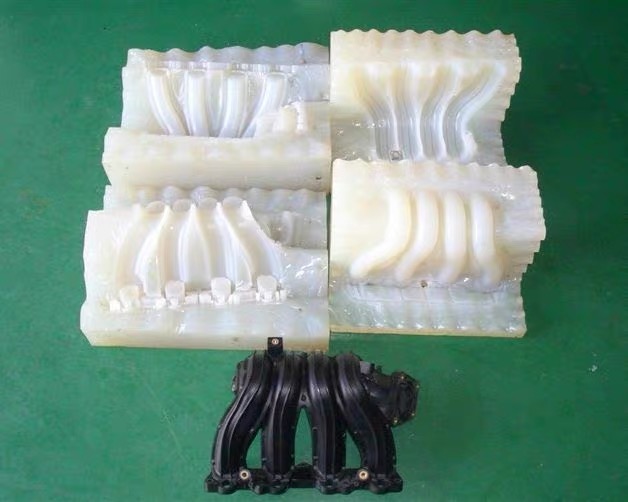
1.Apply tape to a flat area around the prototype to facilitate subsequent mold opening; this will also form the parting surface of the final mold.
2. Suspend the prototype in a box, placing glue rods on the part to create the sprue and vent holes.
3.Inject silicone into the box and create a vacuum, then cure it in an oven at 40°C for 8-16 hours, depending on the mold volume.
4.After the silicone has cured, remove the box and glue rods, remove the prototype from the silicone, forming a cavity;
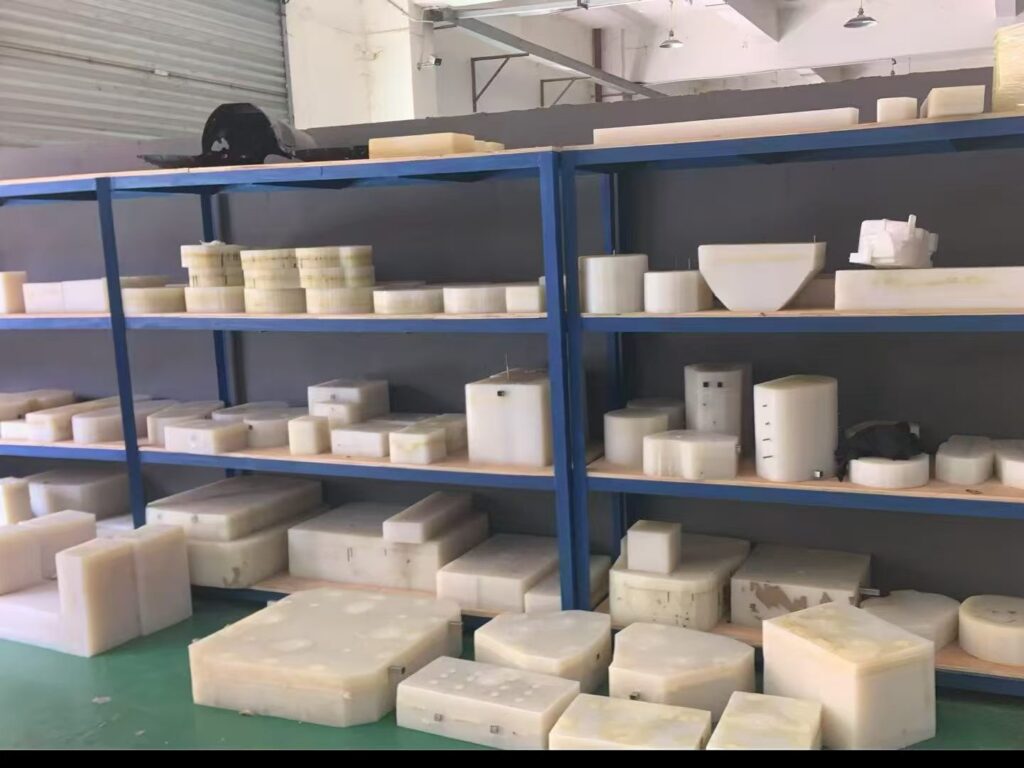
Step 3: Vacuum Casting
First, place the silicone mold in an oven and preheat it to 60-70°C.
Choosing and correctly using a suitable release agent before mold closing is crucial to avoid sticking and surface defects.
Prepare the polyurethane resin, preheating it to approximately 40°C before use. Mix the two-component resin in the correct ratio, then thoroughly stir and degas under vacuum for 50-60 seconds.
Pour the resin into the mold within the vacuum chamber, then further cure the mold in an oven. The average curing time is approximately 1 hour.
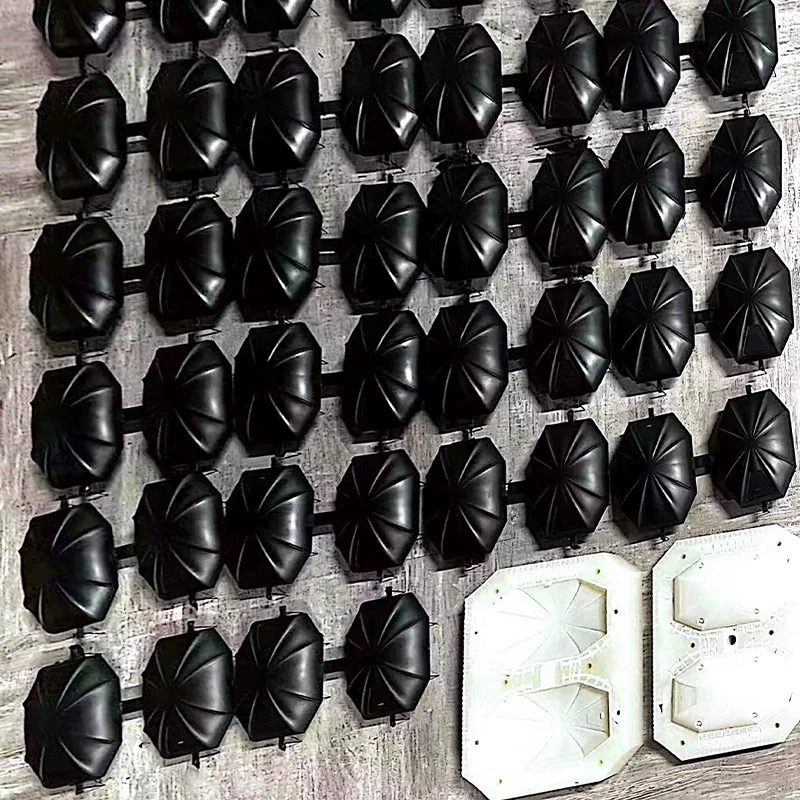
After curing, remove the cast part from the silicone mold.
Repeat this step to obtain more molded parts.
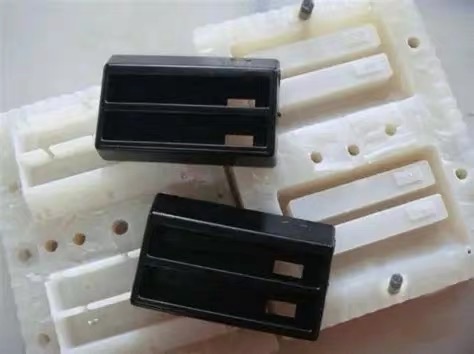
Practical applications of silicone molding
Small Batch Molding
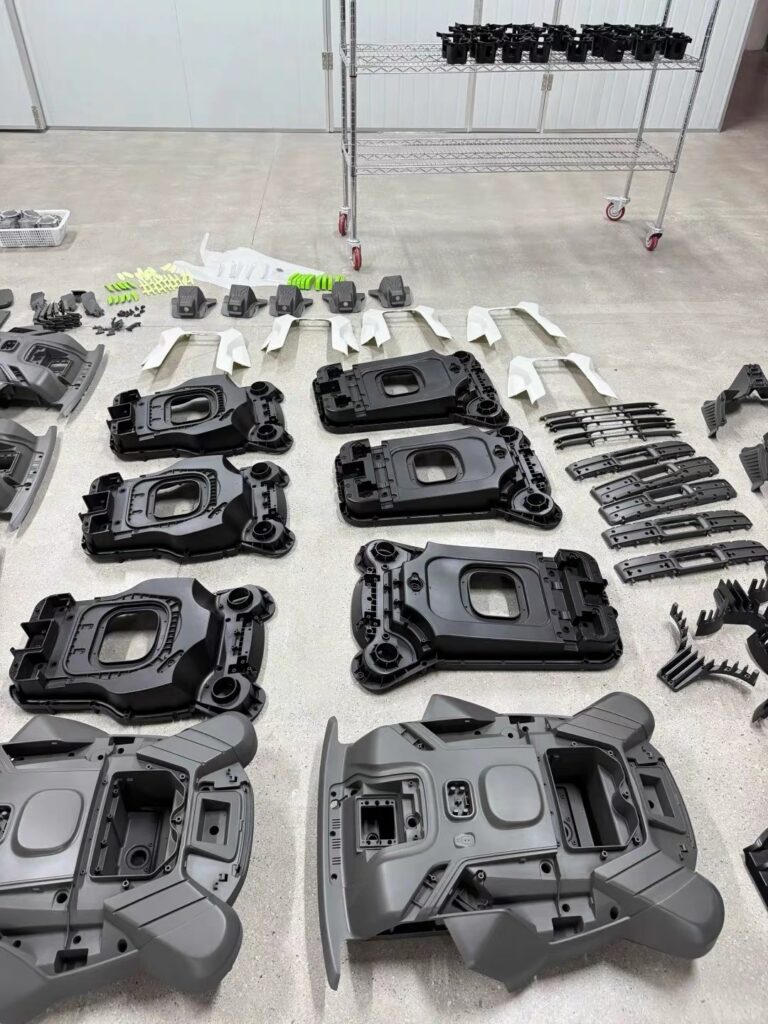
Silicone molding is an ideal choice for small-batch, high-quality plastic prototypes. When quantity requirements don’t meet the need for steel molds, it can help customers quickly and economically customize small batches of parts.
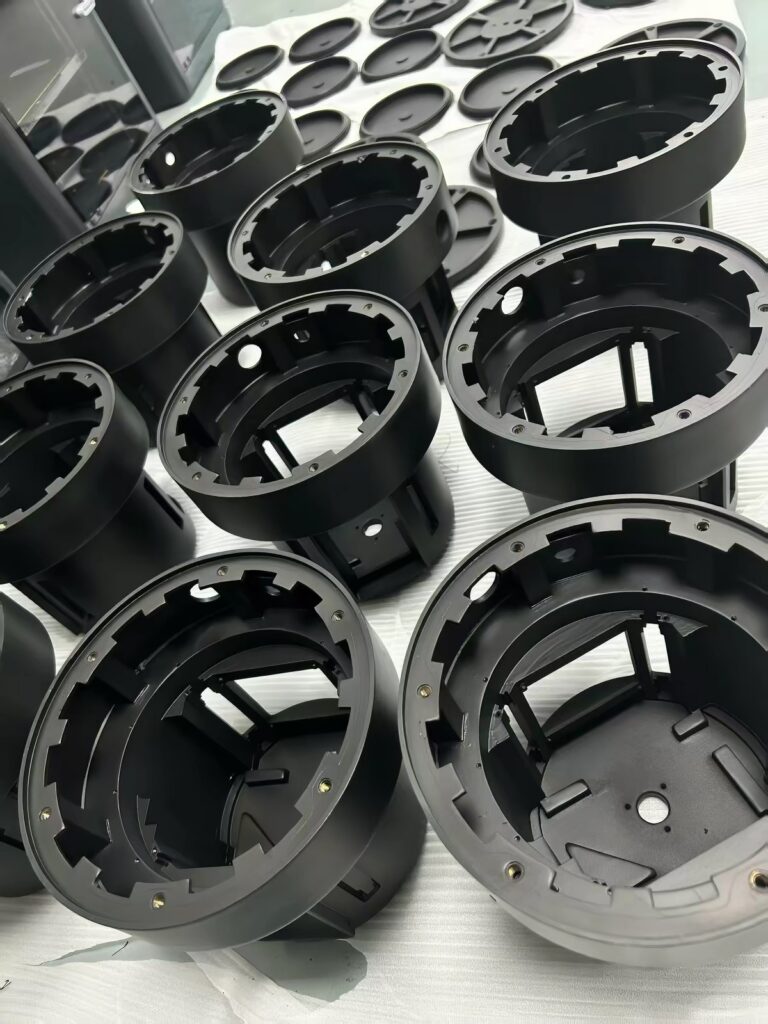
Functional Testing
Vacuum casting and relatively low-cost silicone molds make engineering verification and design changes simple and economical, especially since it can be used for functional testing before product release.
Aesthetic Research
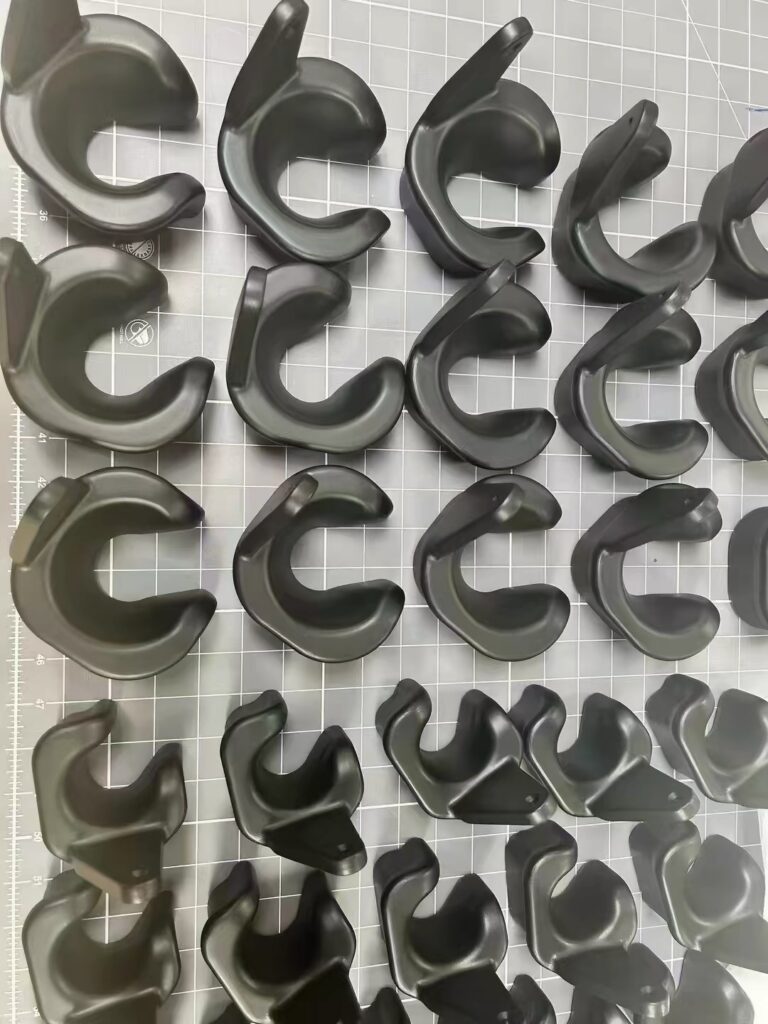
Silicone replicas can be a complete aesthetic model under the same design concept. If you are unsure which one is best suited for the product, you can create a silicone mold, make 10-15 replicas, and design different colors and textures on each replica for internal discussion within the design department.
Marketing Showcase
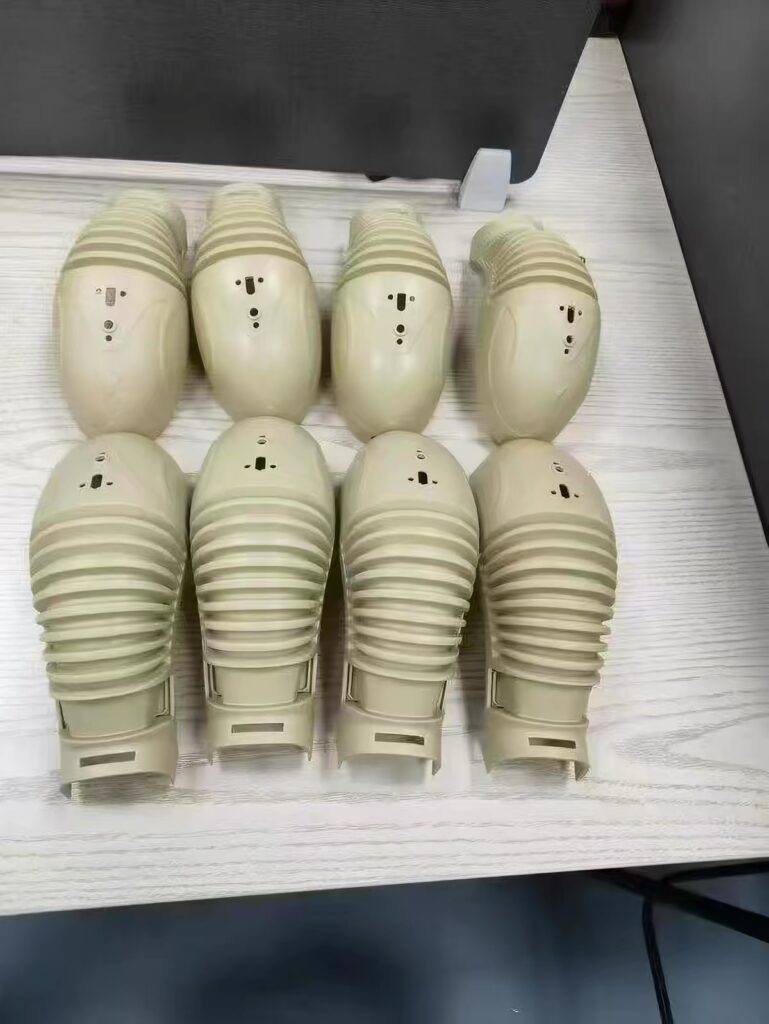
Small-batch replica parts are ideal for consumer evaluation. By showcasing models at trade shows or publishing product photos in advance on company brochures and official websites, the aim is to generate buzz and attract more potential customers or optimize the product.
What is the precision of the prototype casting?
When the size is ≤ 100mm, the machining precision is ±0.3mm.
When the size is > 100mm, the machining precision is ±0.4%.
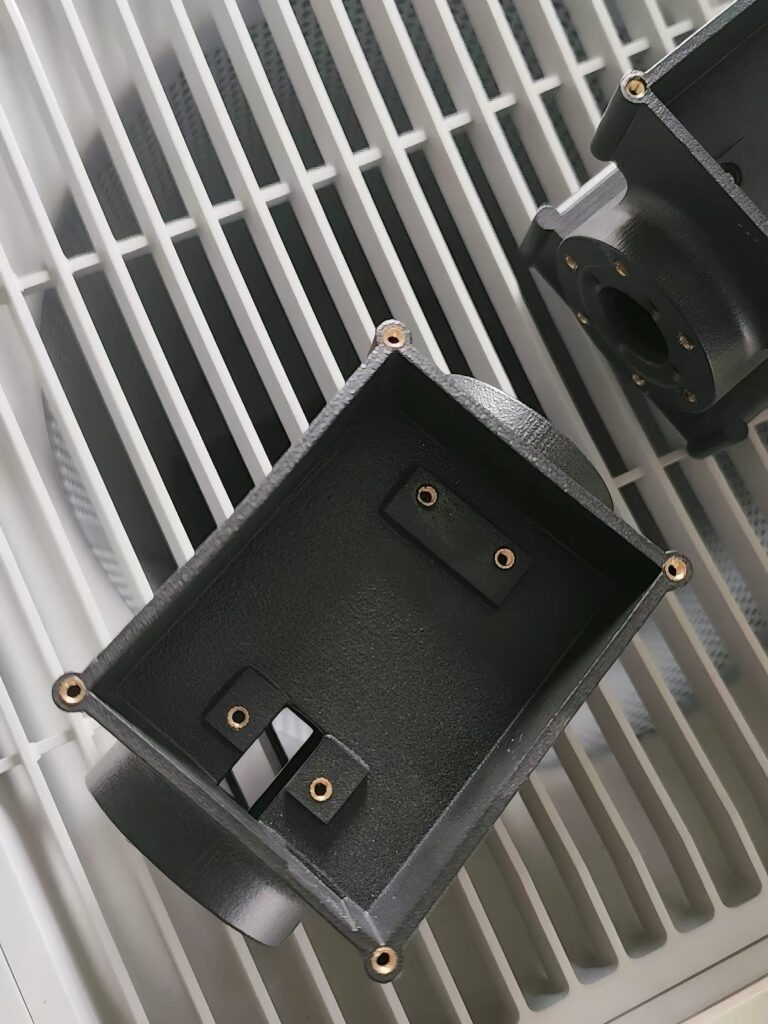
Can copper nuts be inlaid?
Yes, copper nuts can be inlaid. The cost will be based on the quantity. The copper nuts will be inlaid according to the specifications we produce.
What are the price advantages?
The price of silicone molding is calculated based on the quantity. When the number of molds and prototypes is fixed, the larger the quantity, the lower the mold and prototype costs per piece, and the cheaper the price.
However, the labor cost for hand-made molding is relatively high, making it more expensive than injection molding.
Therefore, silicone molding is more suitable for small-batch processing, where the price will be relatively cheaper.
When processing only 1-3 pieces, the price will be relatively high, and we recommend that you choose 3D printing.
Can the lead time for reorders be shortened?
Normally, reorders can save 2 business days of prototype production time.
When the reorder time is no more than 30 days after the last processing time, it can save 1 business day of mold making time.
In total, approximately 3 business days can be saved.
Can you make silicone-coated parts?
Yes, we can make silicone-coated parts. Silicone molding and silicone-coated parts require structural evaluation; therefore, you will need to send us the parts for silicone-coating production.
That concludes Chongqing Utely’s explanation of the silicone molding process. If you would like to learn more about silicone molding products, or inquire about the processes of 3D printing, CNC prototyping, and rapid prototyping, please feel free to contact us via private message. We will provide you with attentive service.