



Automotive Solutions
Accelerating innovation in automotive manufacturing
From concept prototypes to functional parts and performance components, Utely powers the automotive industry with advanced 3D printing and digital manufacturing solutions.
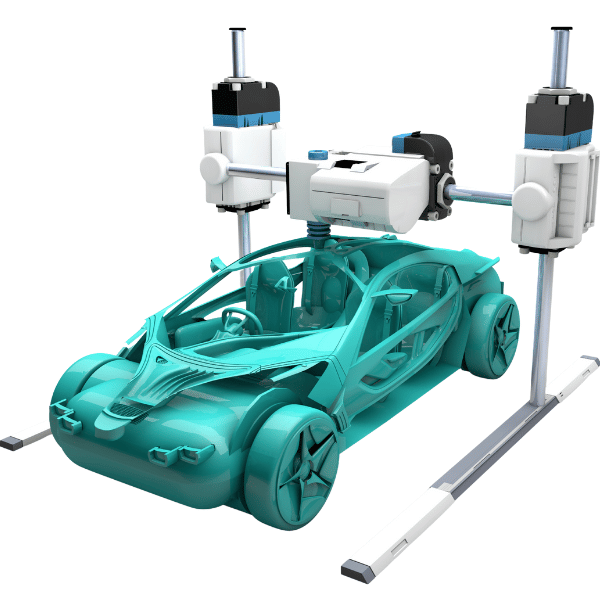
Drive the Future of Mobility
Applications in the Automotive Industry
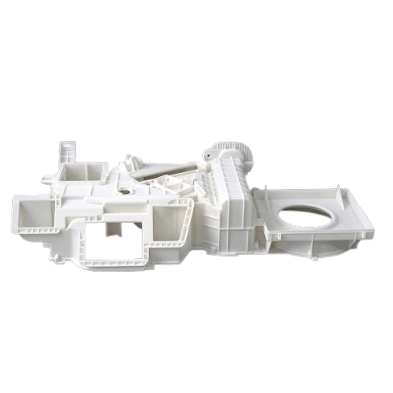
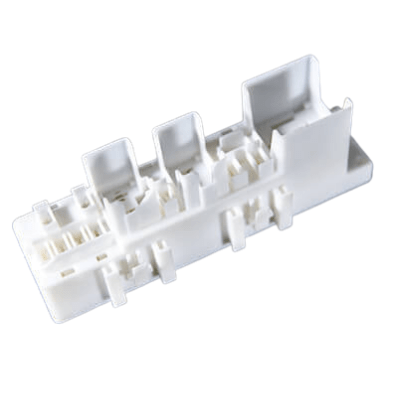
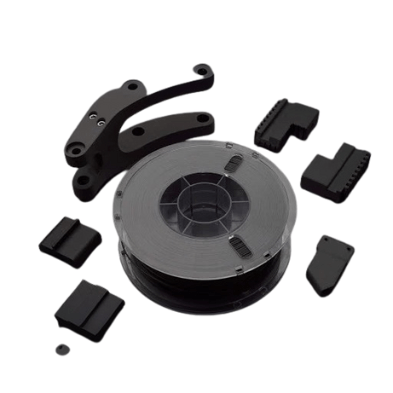
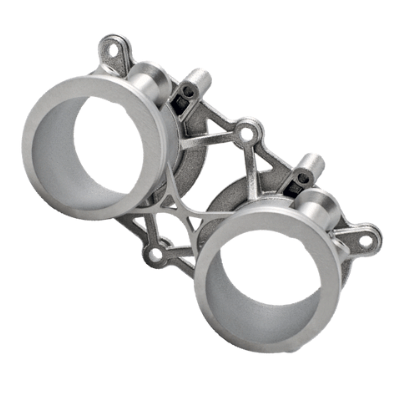
Быстрое прототипирование
- Concept Models
- Aerodynamic Test Models
- Transparent light housings
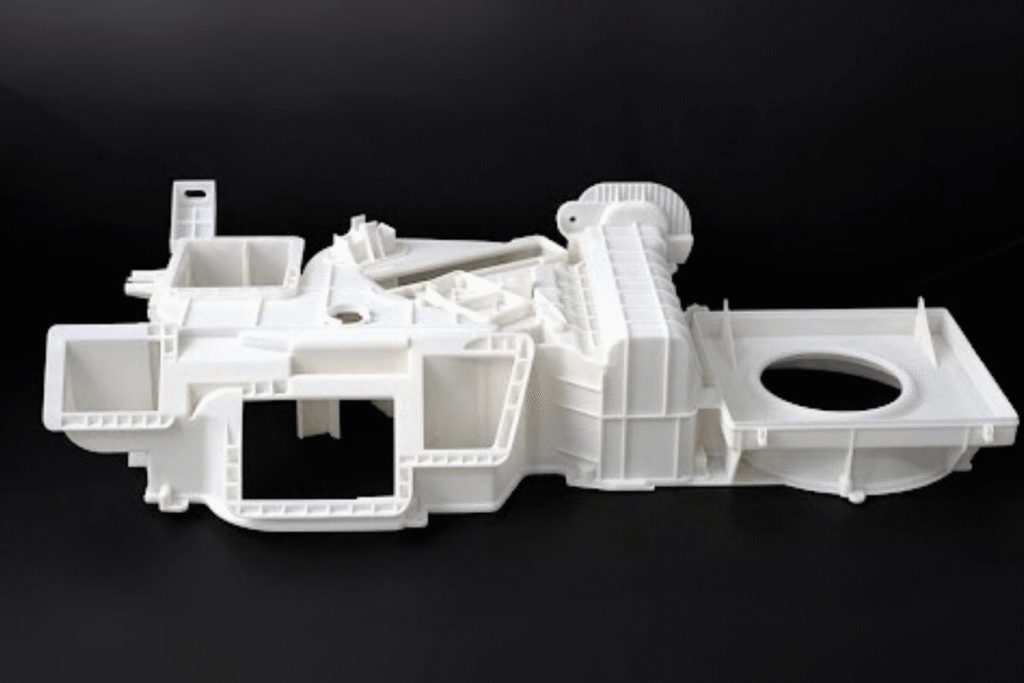
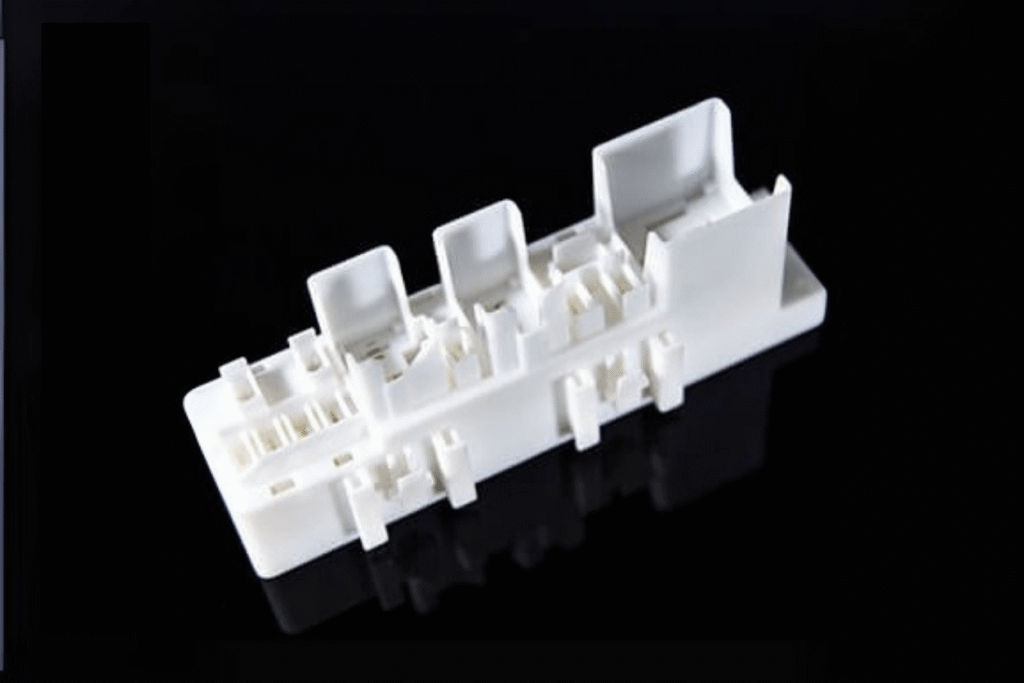
End-Use Functional Parts
- HVAC ducts & brackets
- Battery enclosures & cooling systems
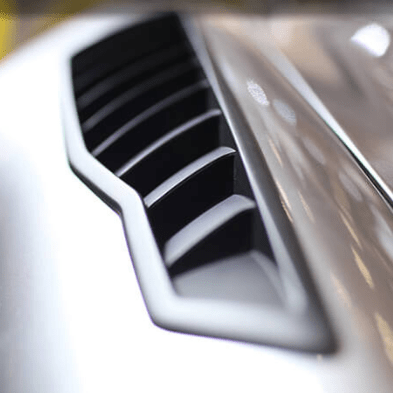
- Door handles, vents, dashboard elements
- Wire harness clips & cable holders
Tooling, Jigs & Fixtures
- Assembly jigs and positioning fixtures
- Inspection and checking gauges
- Robot grippers and end-effectors
- Injection molding inserts with cooling
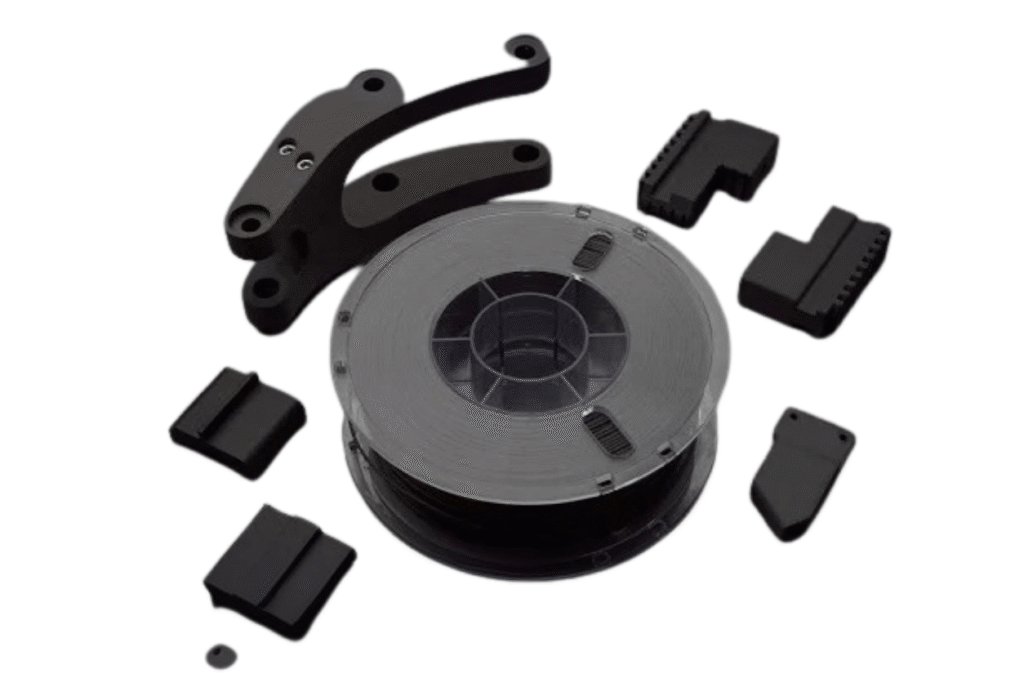
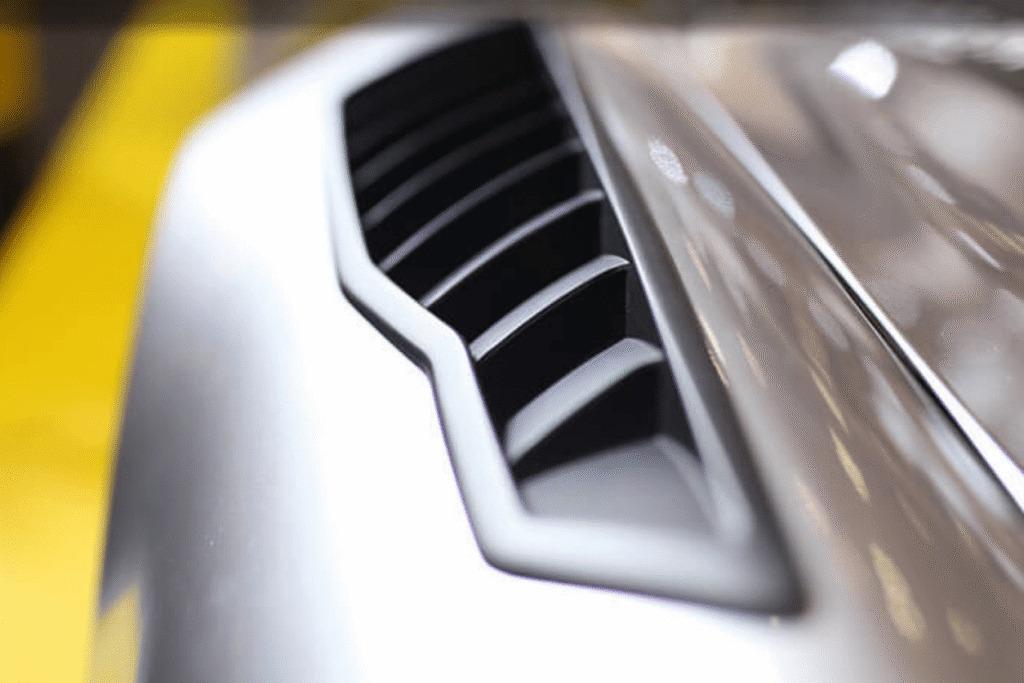
Spare & Legacy Parts
- Discontinued interior trim components
- Engine mount brackets (low-load)
- Gear knobs and control levers
- Aesthetic and fitment replacement
Motorsports & Performance
- Exhaust components (manifolds, tips)
- Brake cooling ducts
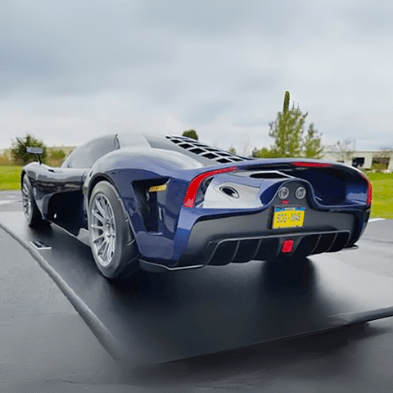
- Custom aerodynamic wings and splitters
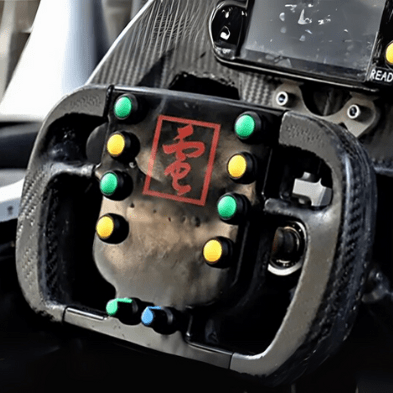
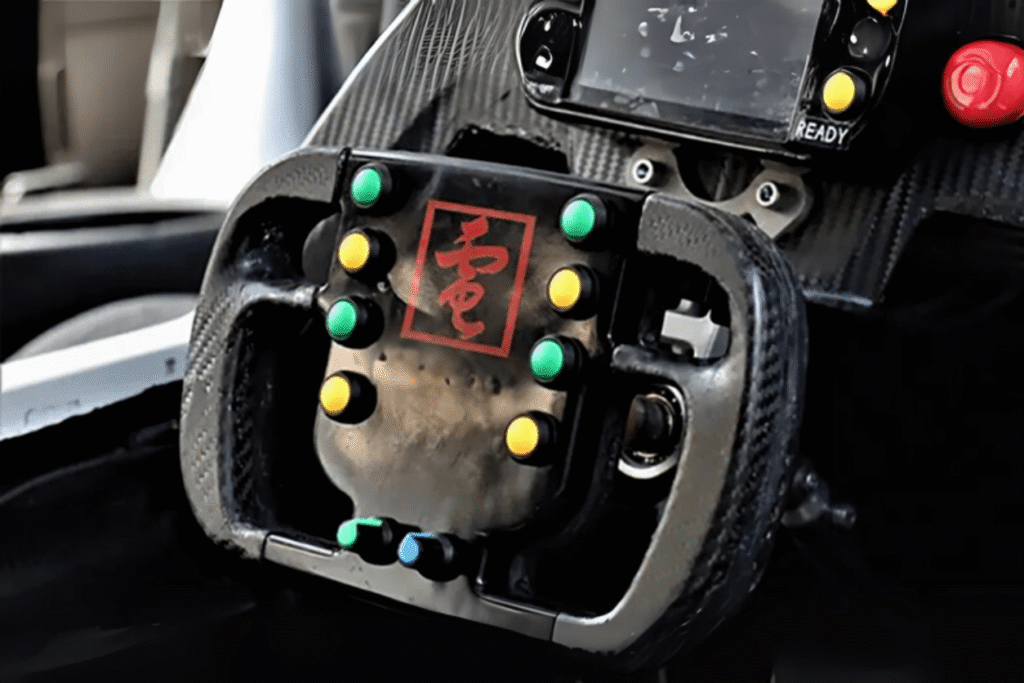
- Custom steering wheels or controls
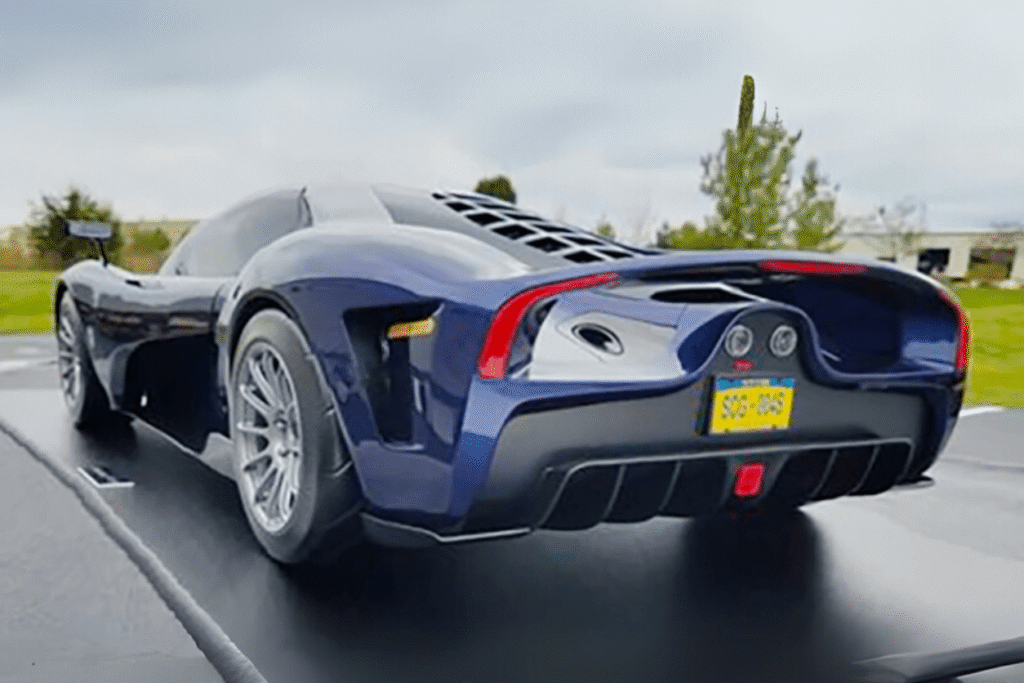
Customisation
- Personalized interior trims and nameplates
- Custom badges, emblems, and branding inserts
- Bespoke gear knobs, shift paddles, and pedals
- One-off colour-matched body panels or accents
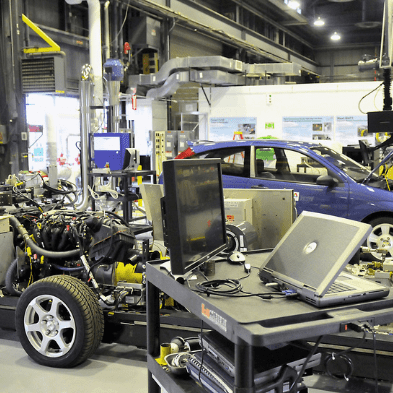
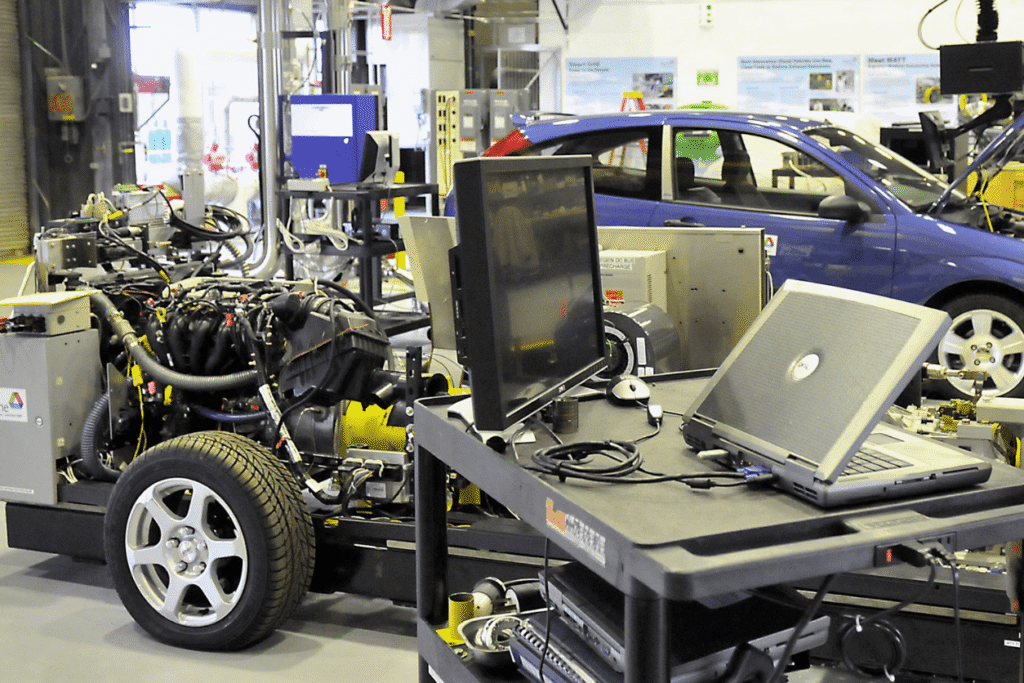
Research, Testing & Material Development
- Standardised test coupons for tensile, impact, and fatigue studies
- Prototype material blends and composite lay-ups
- Heat-resistant housings for sensor and instrumentation trials
- On-vehicle prototypes for crash and durability testing
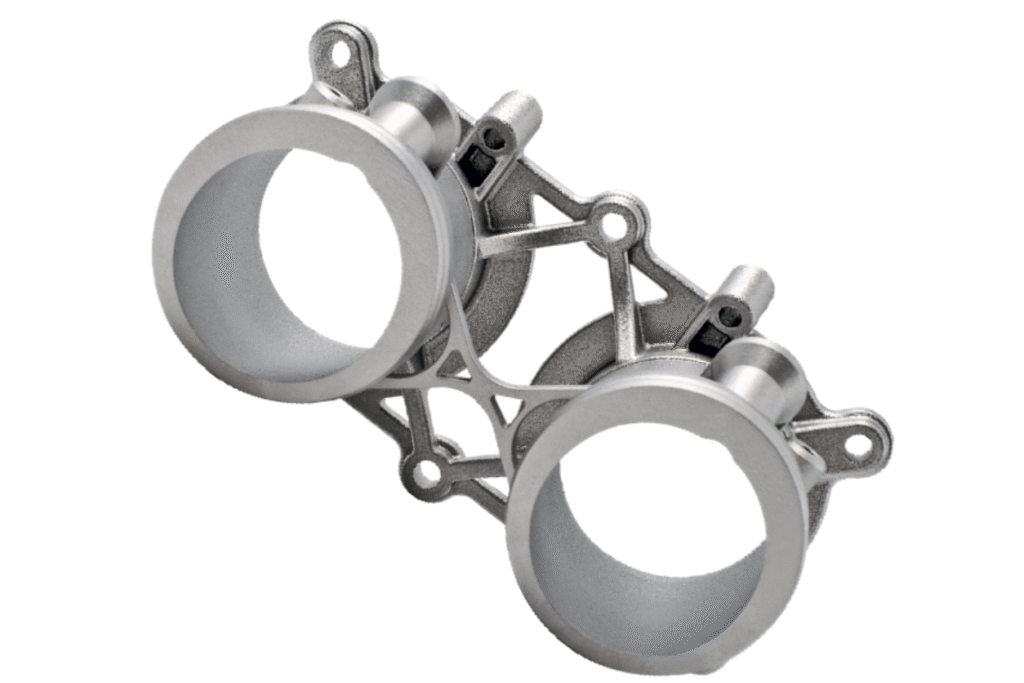
Sustainability & Lightweighting
- Topology-optimised structural brackets
- Honeycomb core panels for weight reduction
- Metal-to-polymer part conversions
- Recyclable bio-polymer components
Часто задаваемые вопросы