

What Are The Common Post-Processing Techniques For Rapid Prototypes?
With our professional prototyping and surface treatment processes. We can tailor high-quality appearance and performance to your product design specifications.
Whether the parts are CNC machined, vacuum molded, or 3D printed, to achieve the accurate appearance of the final product, the prototype must undergo a rigorous post-processing procedure to truly achieve the final surface quality required by the product.
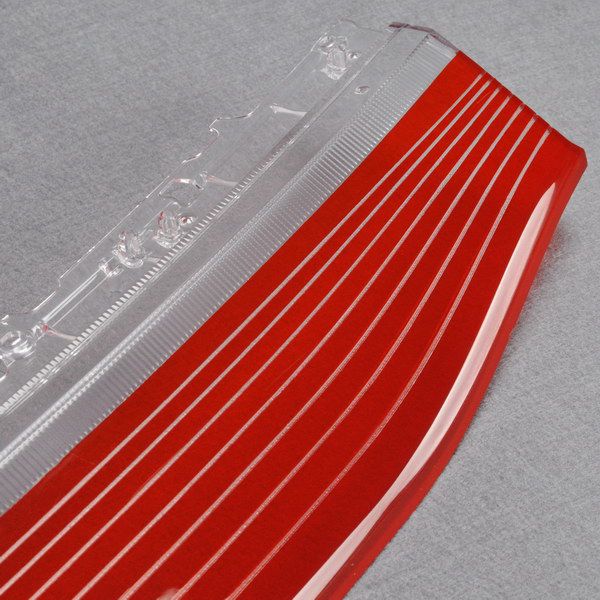
Utely offers complete post-processing services to meet your diverse needs. With our experienced in-house skills and state-of-the-art facilities, we strive to ensure that the color, texture, gloss, and surface finish of the final parts exceed your expectations.
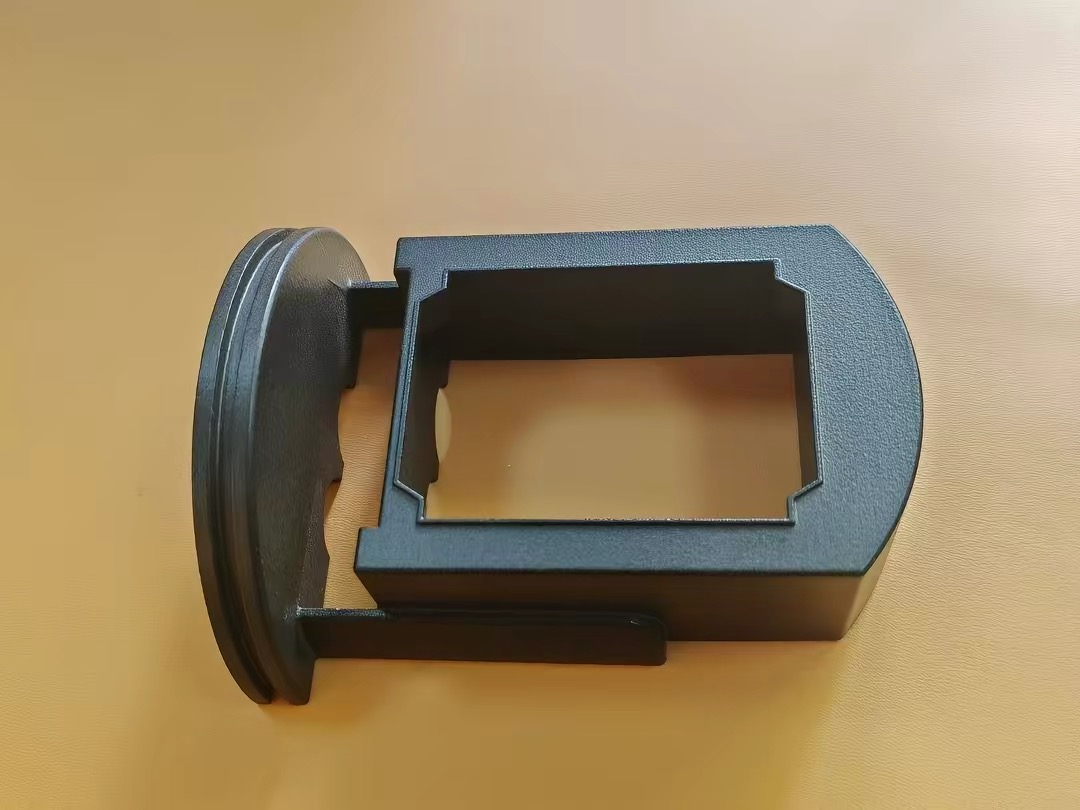
Choose the right surface treatment process for your prototypes and custom parts
We offer one-stop prototyping post-processing services, including hand finishing, sanding, sandblasting, polishing, painting, and surface screen printing. We also provide a variety of specialty part surface treatments, including laser etching, anodizing, powder coating, metal plating, vacuum plating, chromate treatment, chemical treatment, passivation, and heat treatment.
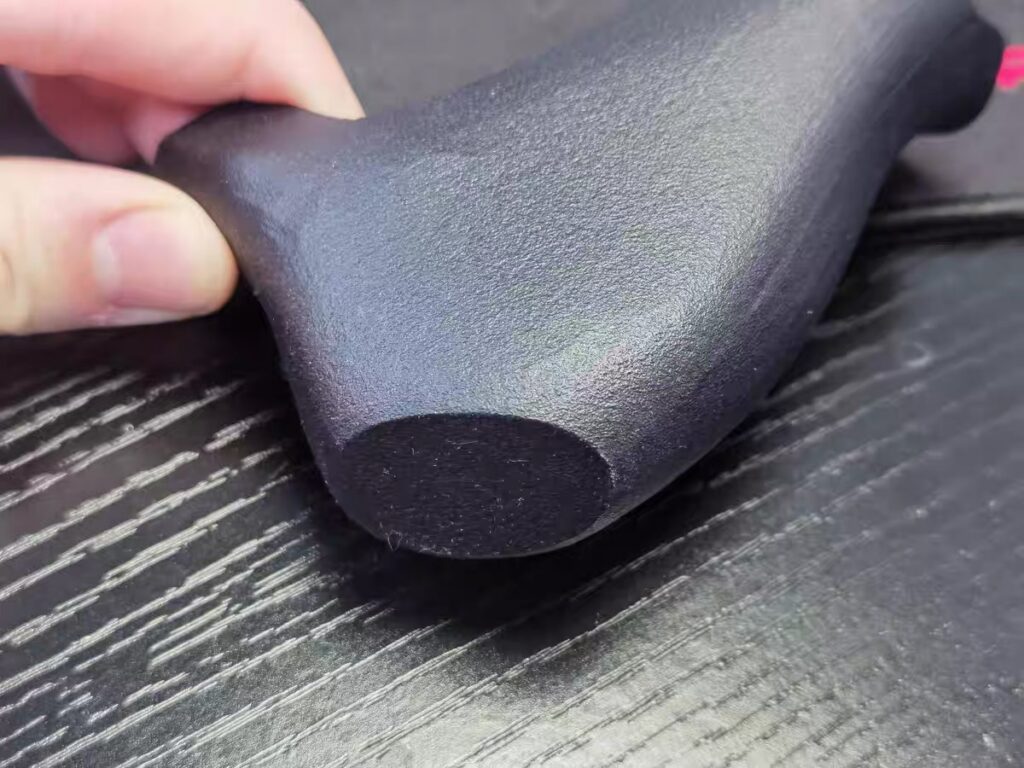
Common part post-processing options
1.Machined Surfaces
Machined parts will bear marks along the cutting tool path. Machined surfaces refer to surfaces directly machined without grinding; only minor manual deburring is required, and the part can be finished and delivered quickly after machining.
Standard machined surface roughness is Ra 3.2-1.6μm; Smooth machined surface roughness is Ra 1.6-0.8μm; Ultra-precision machined surface roughness is Ra 0.8-0.2μm.
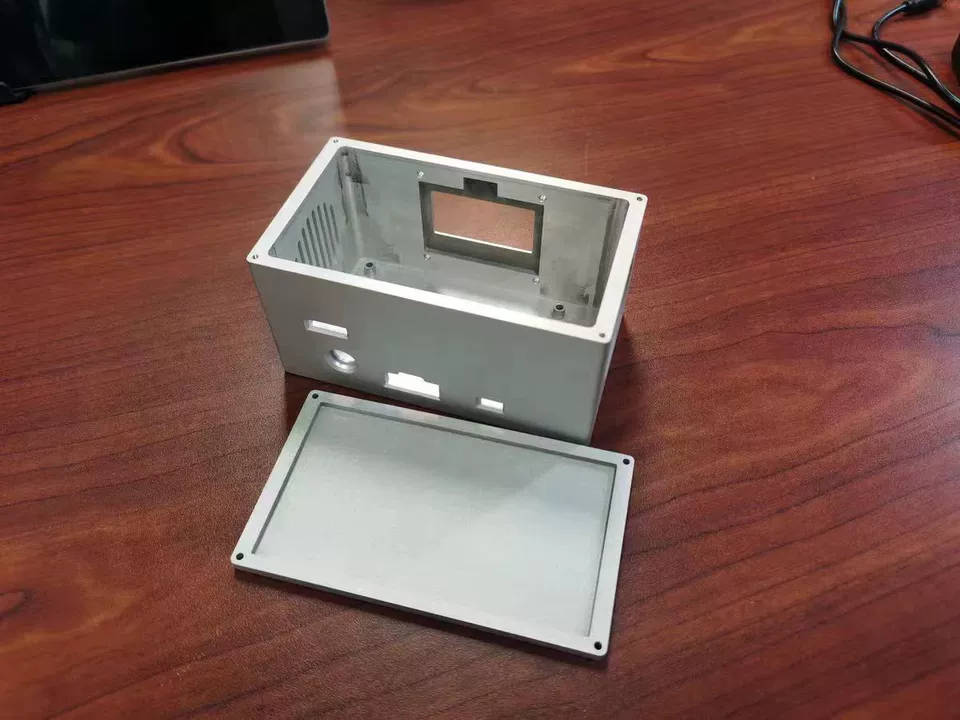
Finishing increases the manufacturing cost of parts because it requires additional machining steps and more stringent quality control.
2.Hand Finishing
From deburring to bonding, finishing, inserting studs or metal fittings, trial fittings, and measurements, our hand finishing experts focus on every engineering detail and design specification.
All hand finishing is done in-house, but we can also perform necessary fitting and assembly work with other components provided by the customer. Often, this process reveals engineering obstacles not immediately apparent in the CAD design, and we will help overcome these challenges, providing solutions and completing the final project.
3.Grinding and Polishing
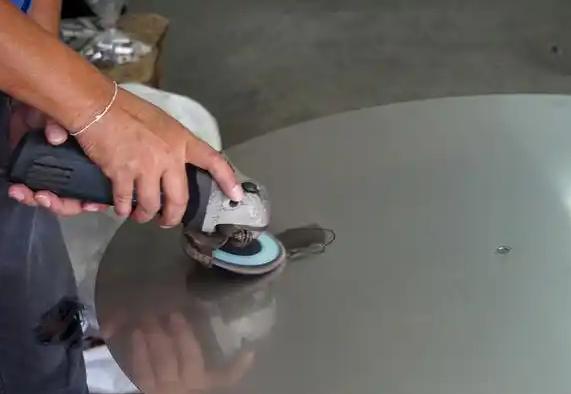
Hand grinding removes machining marks, eliminates burrs, production line marks, and adhesion traces from parts. The flatness of the parts is improved, and roughness is reduced to achieve a smooth, consistent surface finish.
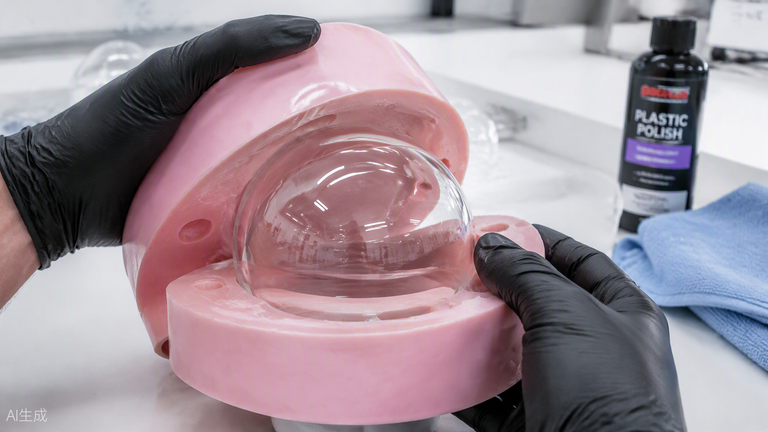
Hand high-polishing processes are used for mirror polishing of ordinary plastics, metal parts, and transparent acrylic and PC parts to achieve precise, uniform flatness and professional-grade gloss, or to improve the optical clarity of transparent parts.
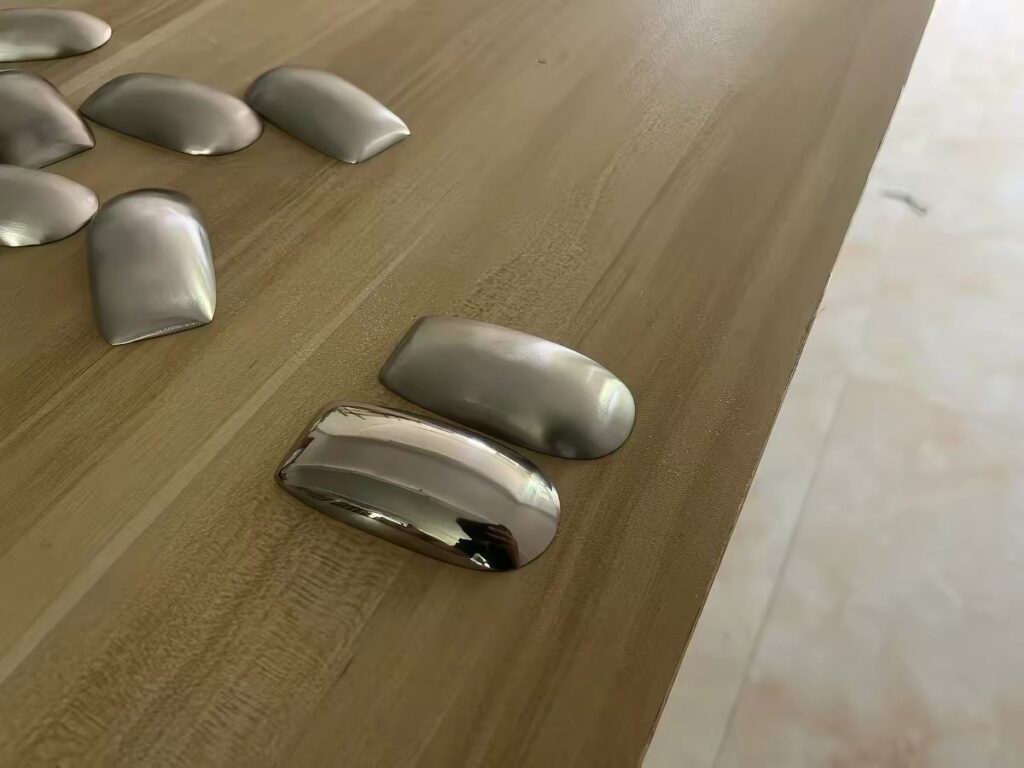
Grinding to 600# sandpaper achieves a surface finish of Ra 0.8μm; grinding to 1000# sandpaper achieves a surface finish of Ra 0.4μm; mirror polishing and transparent polishing achieve a surface finish of Ra 0.1-0.05μm.
4.Spray Painting
Spray Colors: We use Pantone and RAL systems to match custom colors or paint samples. We can also perform two- or multi-color spraying to achieve a sophisticated look resembling 2K molding.
Spray Textures: We can offer various paint finishes, including matte, semi-gloss, gloss, and satin. We can also simulate specific Mold-Tech textures or soft rubber feel to achieve a texture or over-molding feel similar to injection-molded parts.
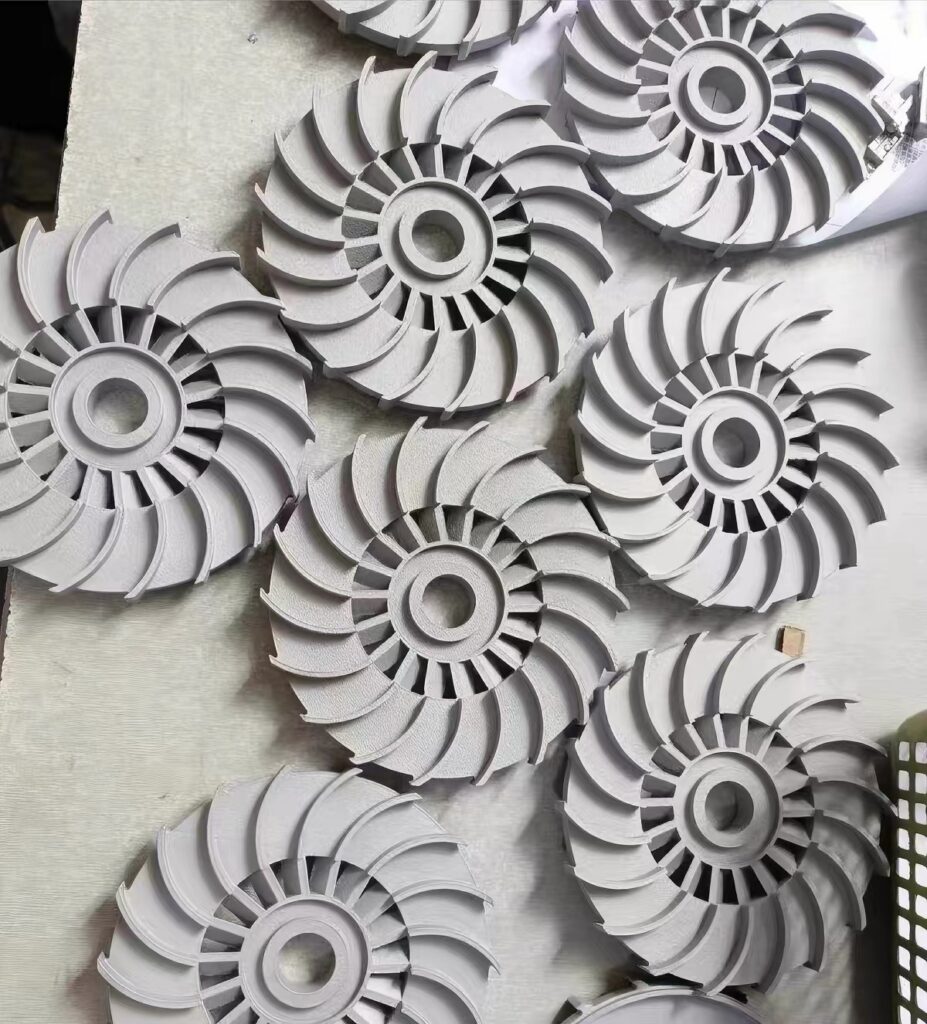
Functional Coatings: UV coatings resist ultraviolet radiation, protecting the underlying material to improve durability, abrasion resistance, or scratch resistance. Conductive coatings, on the other hand, utilize the coating to shield or control electronic devices from magnetic fields or interference.
5.Sandblasting
Sandblasting creates a uniform abrasive finish on the surface of machined parts, removing traces of machining and grinding. It involves forcibly propelling a stream of abrasive material under high pressure to impact the surface of a part, smoothing rough surfaces, roughening smooth surfaces, or removing surface contaminants.
The air pressure and the particle size of the glass abrasive (ranging from 80# to 220#) are the key process parameters.
6.Anodizing
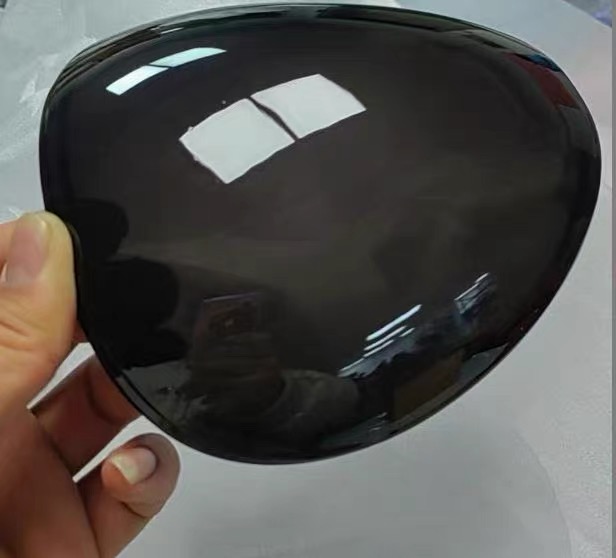
Anodizing helps resist corrosion, improves surface hardness, and enhances wear resistance. It can be used for both functional and decorative applications. There are two main types of anodizing:
Type II anodizing is primarily used to produce parts with a uniform and aesthetically pleasing surface. It offers good corrosion resistance but limited wear resistance and is available in a variety of colors. Typical coating thicknesses are: 12-18 μm for black, 8-12 μm for natural color, and 5-10 μm for colored coatings.
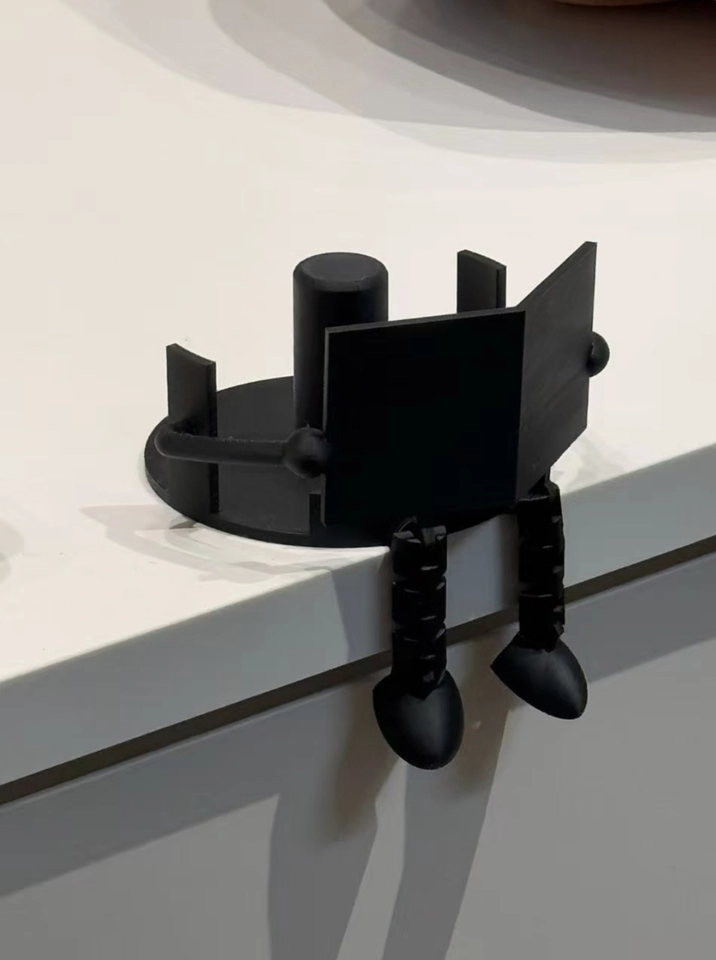
Type III anodizing, also known as hard anodizing, offers excellent corrosion and wear resistance, making it suitable for functional applications. However, it is limited in color options, typically only offering natural or black, and its thickness can reach 30-125 μm.
7.Electroplating
Electroplating is a metal surface treatment that involves applying a thin layer of another metal or metal alloy to a metal part to prevent corrosion and oxidation, or to alter its appearance.
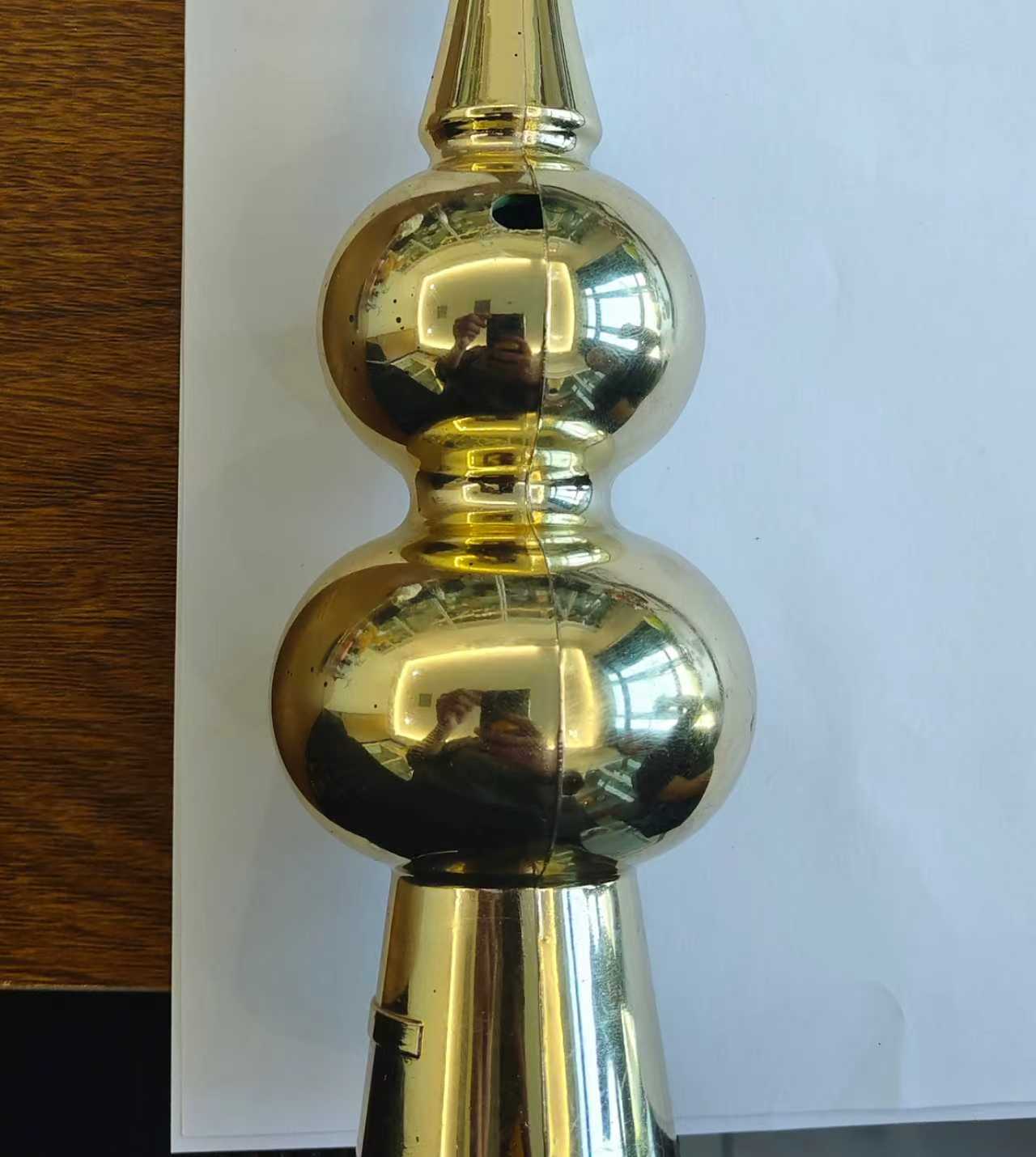
Tin, nickel, zinc (galvanized), and chromium are common electroplating metals, while copper and carbon steel are two of the most frequently used metals in electroplating processes.
8.Screen Printing & Laser Engraving
You can print custom text and logos on parts. Screen printing can be used on larger surfaces, as well as when mixing multiple colors to create more complex graphics; pad printing can be used on curved surfaces;
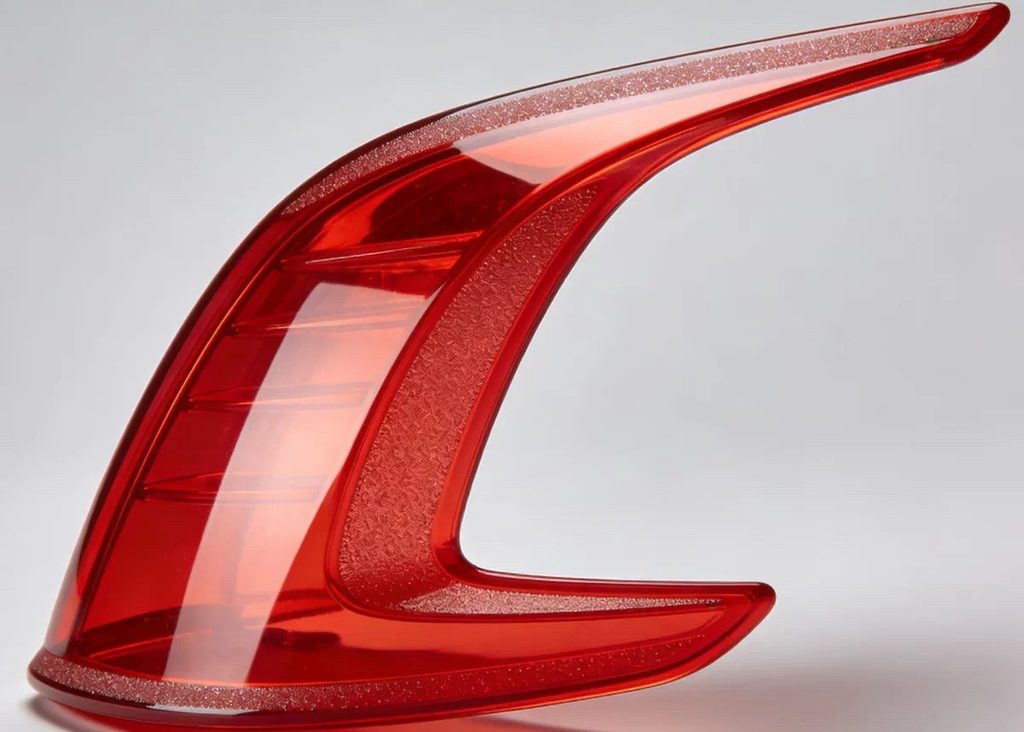
Laser engraving is ideal for creating precise and permanent markings on metals and certain plastics.