
3D Printing for Art & Sculpture

Giving Life to Your Imagination

Artists, sculptors, and designers are turning to 3D printing to present their concepts more clearly; leading to faster approvals, richer feedback, and better creative outcomes.
Hablemos

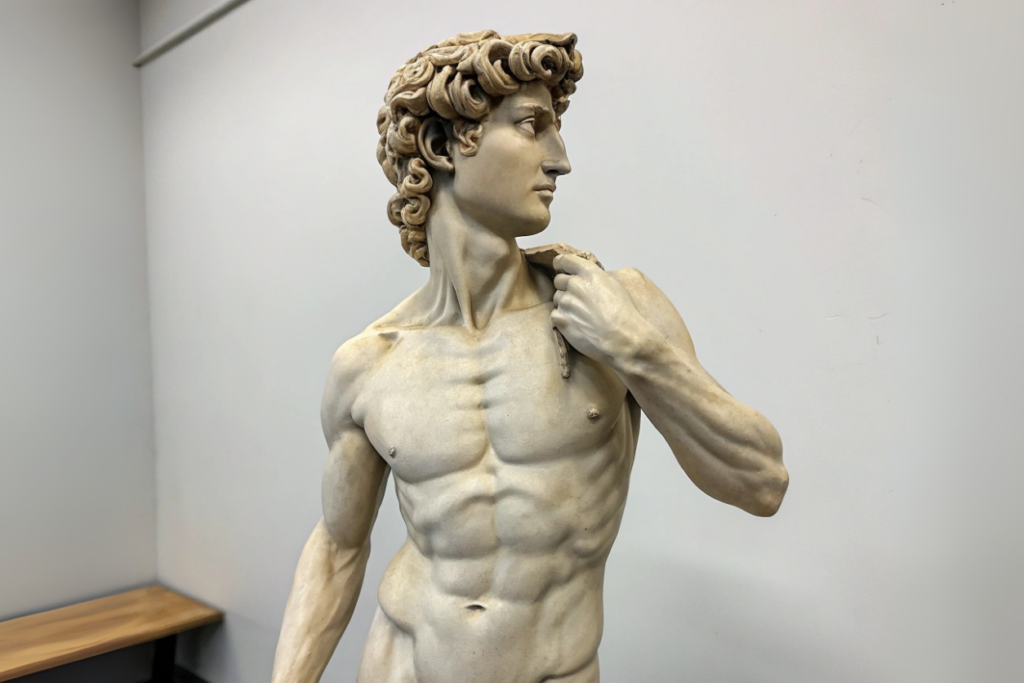
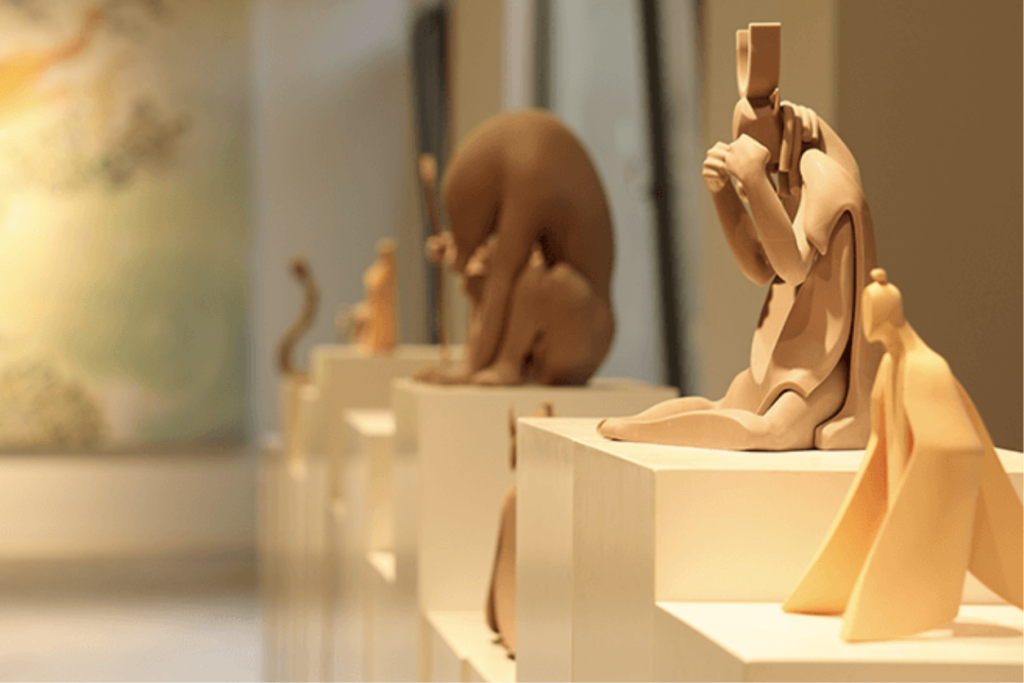
Sculpture Creation

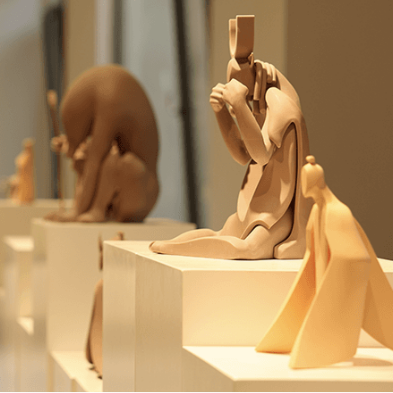
  • Freeform sculptures
  • Abstract art forms
  • Organic and expressive shapes
  • Experimental material use

Art Prototyping

  • Miniature concept models
  • Scaled art prototypes
  • Design validation for final works
  • Iterative experimentation for artists

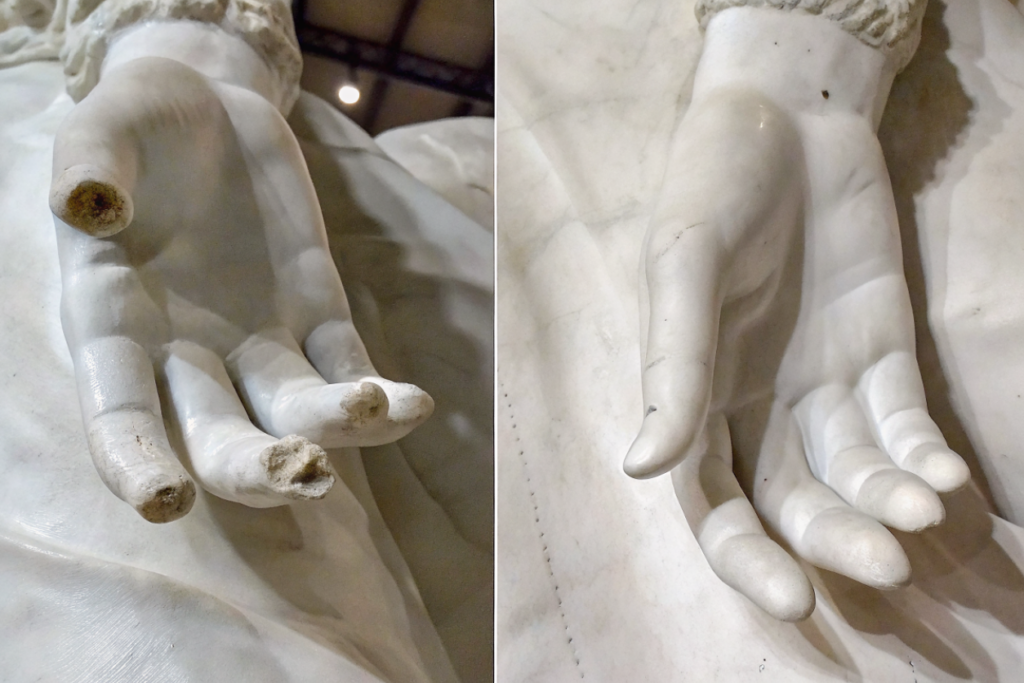
Restoration & Replication

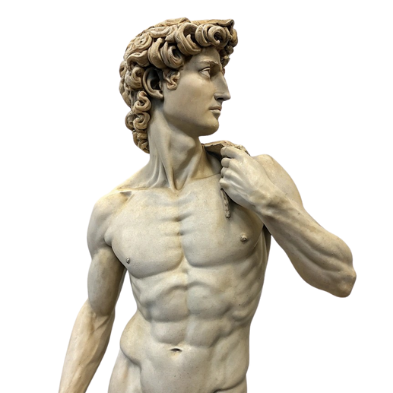
  • Replicas of historical pieces
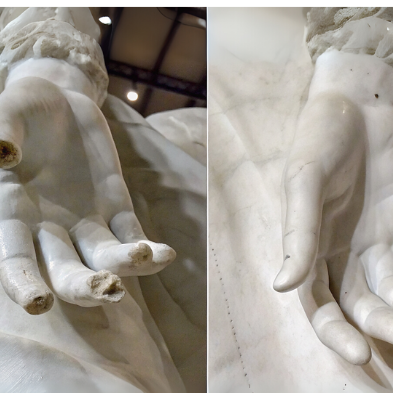
  • Reconstruct damaged artifacts
  • Accurate material and texture replication
  • Digital archiving of rare items

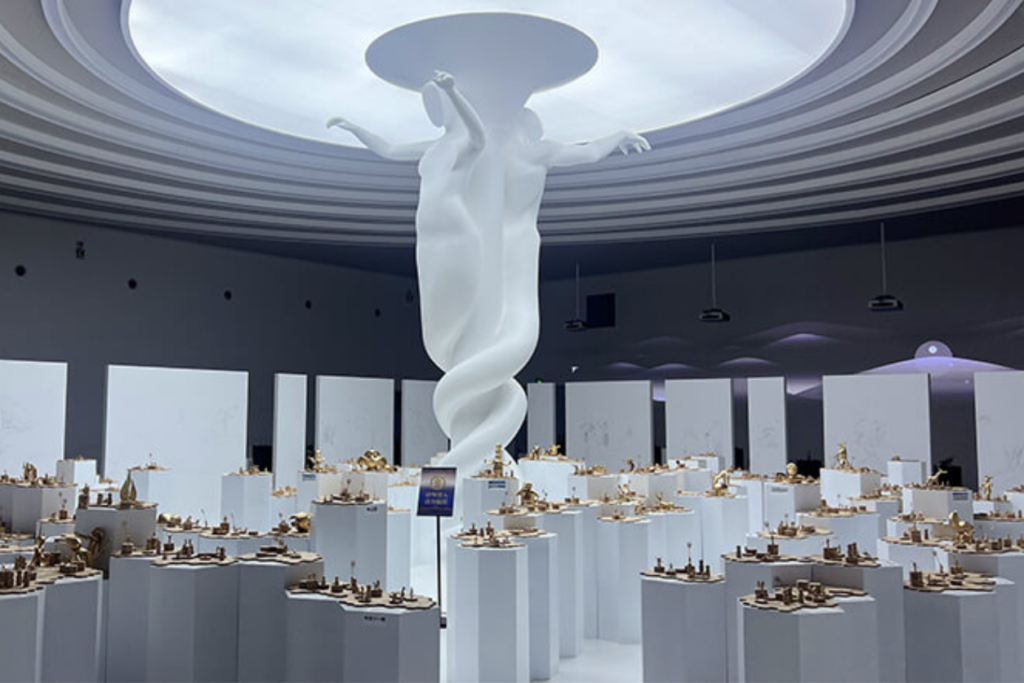
Installations & Public Art

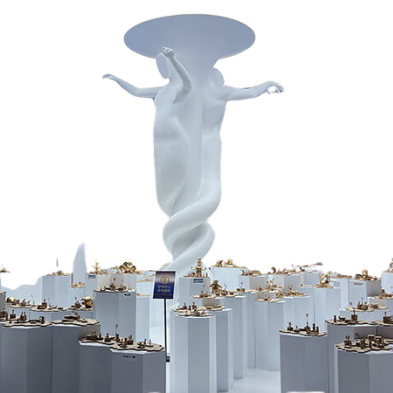
  • Large-scale outdoor installations
  • Mixed-media structures
  • Outdoor-ready printed modules
  • Multi-component artistic builds

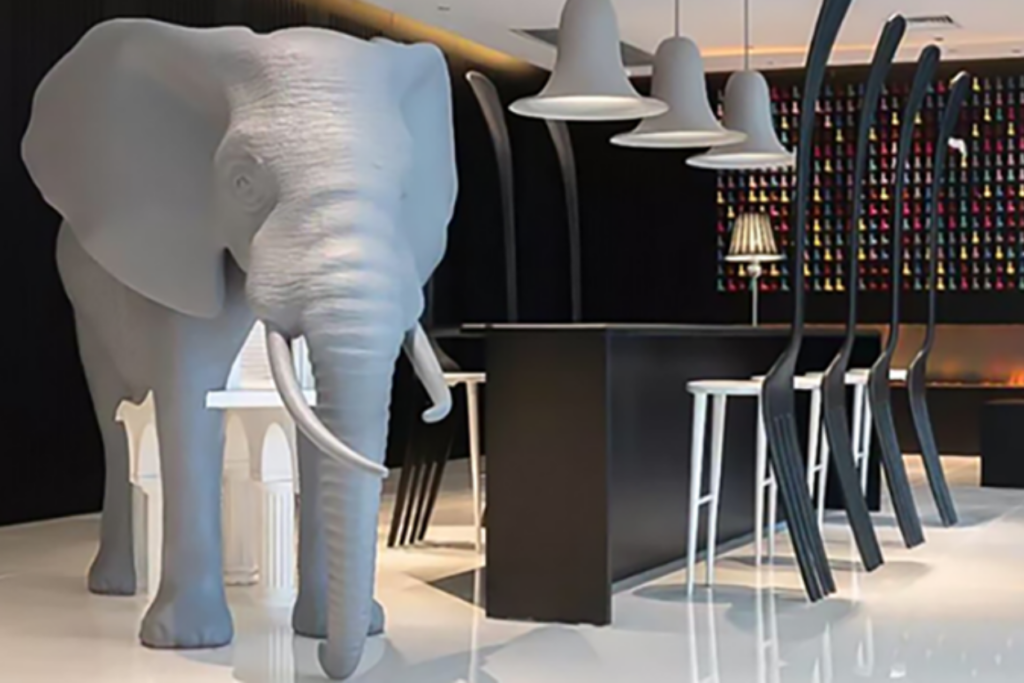
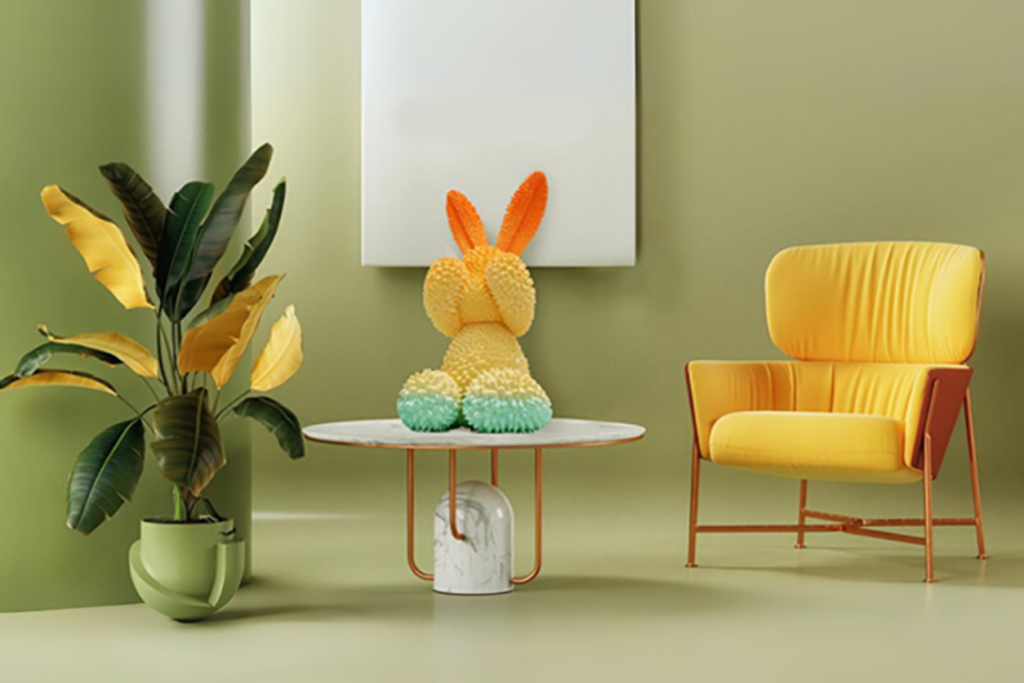
Custom Home Décor

  • Wall panels & figurines
  • Personalized decorative objects
  • Home-ready design customization
  • Perfect-fit décor for themed interiors
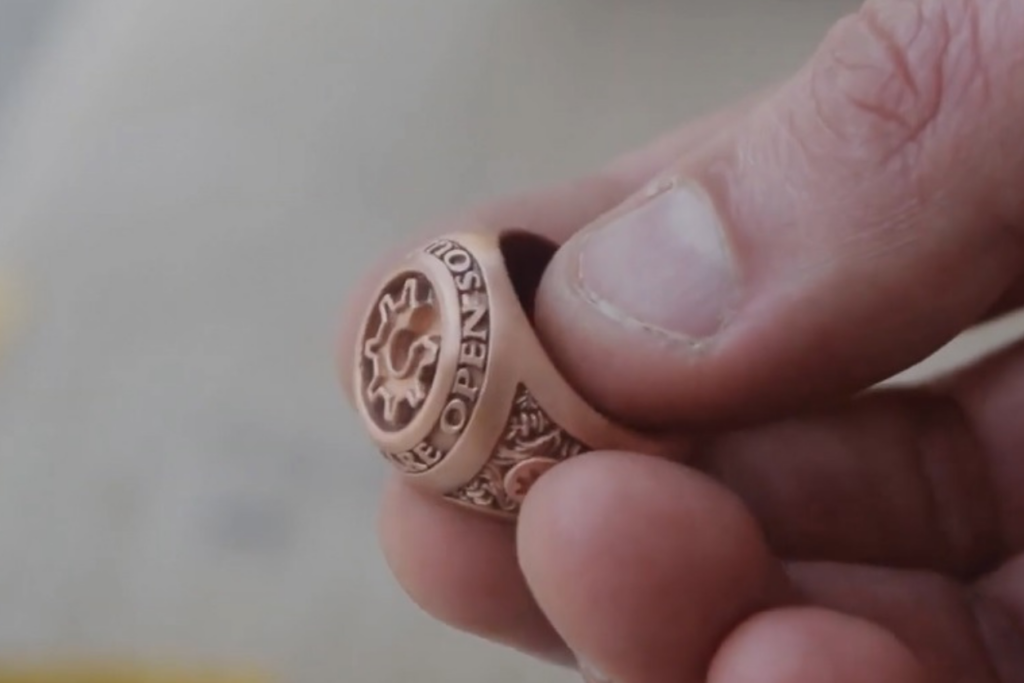
Jewelry Art & Miniatures

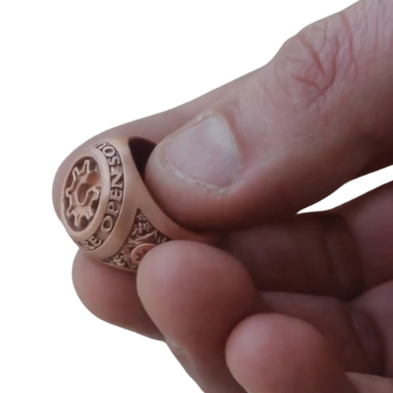
  • Artistic Pendants & Charms
  • Miniature Collectibles
  • Castable Master Patterns for Metalwork
  • Wearable Sculptures & Statement Pieces

Fine Art Innovation

  • Generative design in sculpture
  • Algorithmic and parametric art
  • Multi-material fusion techniques
  • New media experimentation

Digital Heritage Conservation

  • 3D scanning of historical pieces
  • Virtual museum replicas
  • Reconstruction of lost or damaged works
  • Preservation through digital archiving

Preguntas frecuentes

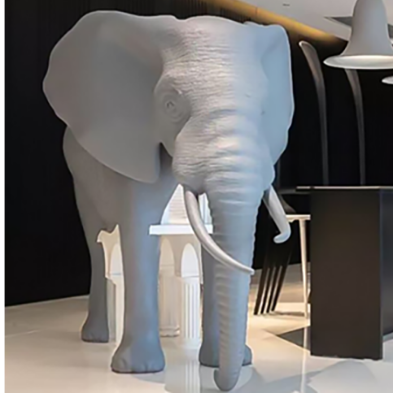
3D printing allows artists to produce intricate sculptures in plastic, resin, or metal, enabling greater design freedom and scalability—from miniatures to life-size forms.

Yes, artists use 3D printing to prototype complex forms, test proportions, and explore design variations before final production in stone, bronze, or mixed media.

Using 3D scanning and printing, damaged or missing artifacts can be digitally restored and replicated with precision—preserving cultural heritage and historic art.

Yes, large-format FDM or Binder Jetting allows for the creation of weather-resistant structures and modular elements suitable for outdoor installations and public art..

Absolutely. Designers can create personalized wall art, lighting fixtures, and functional décor with unique textures and geometry using materials like PLA, resin, or metal.

SLA and DLP technologies are used to create ultra-fine jewelry wax patterns and miniatures, which are later cast in metal or painted for collectible art pieces.

Artists can merge digital tools with traditional craftsmanship, enabling experimentation with complex geometry, material blending, and generative design through 3D printing.

Yes, 3D scanning and printing are widely used in digital heritage conservation to replicate statues, artifacts, and architectural details for museums, education, and outreach.

Common materials include resin for fine detail, PLA or ABS for large models, and bronze or stainless steel via metal printing for premium art-grade finishes.

Artists use sculpting software like ZBrush, Blender, or Rhino along with slicing tools to prepare 3D models for print while maintaining creative control and precision.